


There was a time when Italian wines in this country were mass produced, inexpensive wines sent over by the boatload. Every Italian restaurant would have a sweet, fizzy Lambrusco, a Bardolino, a Valpolicella and a Chianti in the straw flask for the reds and Soave, Verdicchio and Frascati for the whites. I especially remember bottles of Fontana Candida brand Frascati.
The Italian wine industry went through a big change when the old school winemakers were replaced by a younger crowd with more modern ideas. Those regions began to focus more on quality than quantity, probably to break into the international market.
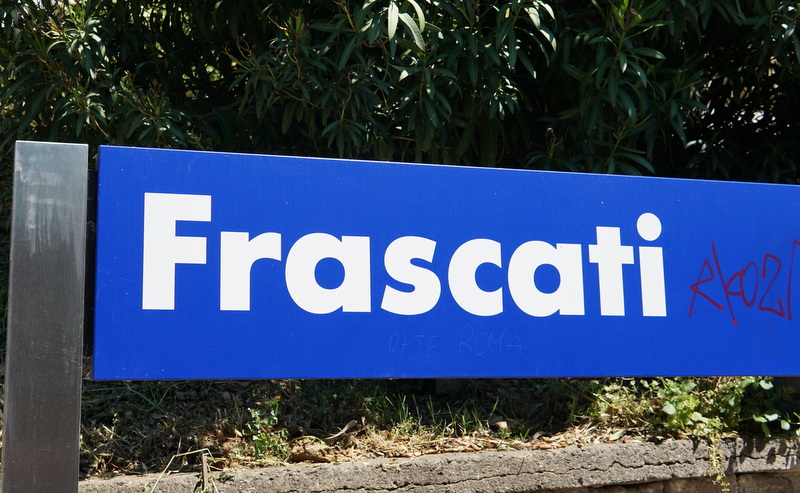
This month I spent a couple of weeks in Europe and my first stop was the city of Rome. In Italy you can name the wine after the varietal or the town around where wine was grown, or a fantasy name. Frascati is a medieval town in the Alban hills about a half hour train ride from Rome.
It’s where back in the day, the Pope’s would travel to when the weather became too hot and the diseases too rampant back in Rome.
It’s a pretty hilltop town with winding and narrow cobblestone streets and a nice view of the surrounding countryside.
Frascati is a blended white wine and under D.O.C rules having a minimum 70% Malvasia Bianca di Candia with the rest local white varietals.
While wandering around town, I stopped in Santé Wine & Food restaurant located at Corso Italia 14 and chatted with the owner who poured a couple of local wines for me to sample.
2024 Colle Arnaldo Mamilio Frascati
Light gold, rosemary and damp earth on the nose, dry and crisp with a slight spritz and green herb notes.
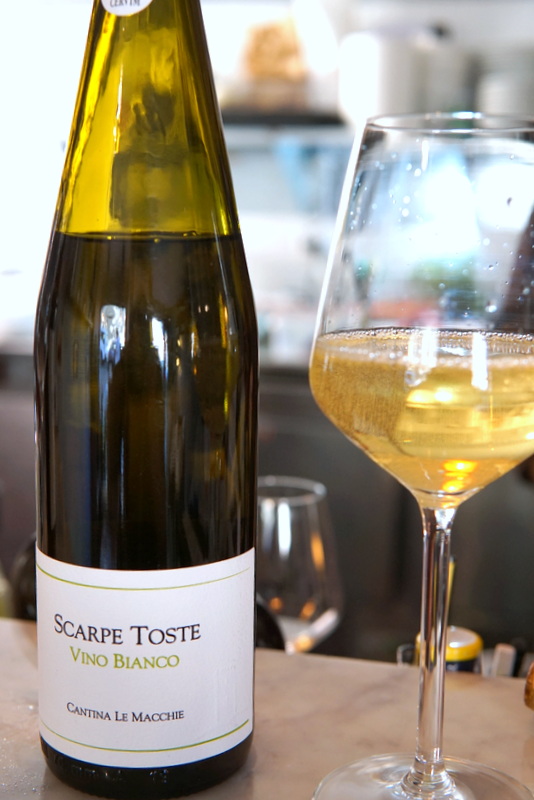
2023 Cantina le Macchie Scarpe Toste Gewürztraminer : When the owner suggested I try this wine I thought the last place I would drink a Gewurztraminer was in the hills of Lazio, but the owner explained that the cooler climate in the hillside vineyards made for a good wine.
Dark gold in color, roast hazelnuts on the nose, chewy, medium bodied fruit with vanilla notes and good acidity.
 SocialVino