Bertani Amarone Vertical Tasting New York City

It’s always an education and a treat to be able to sample wines with some considerable bottle age when the opportunity presents itself.

It’s a myth that wine gets better the older it ages, it’s more like a Bell curve, on the left side of the curve is when the wine is released, it reaches its peak and then slides downward.

I had the opportunity to sample a few older bottles on September 29th when distributor Independence Wine & Spirits held their Luxury Italian Tasting.

It was a niche of their portfolio that included Barolo, Barbaresco, Brunello, Amarone and some Italian sparklers. The tasting was held at their offices at 298 5th Avenue in midtown Manhattan.

Some of the older bottles included the 1999 Col d’Orca Brunello di Montalcino, a 1982 Fontanafedda Barolo Riserva and a 1996 Fontanafredda Barolo Vigna La Villa to name a few.

I have to admit that some of the older bottles were on the downward side of the curve, but it was a unique experience. An older bottle than held up was the 1968 Bertani Amarone which was drinking nicely, and I was able to sample five vintages of that wine.

Valpolicella is a red wine produced in the Veneto region of Italy, north of the city of Verona. It’s a blended wine primarily made with the Corvina grape varietal. Amarone is one category of Valpolicella that includes Classico, Superior and Ripasso. What makes Amarone unique is that they let the grapes dry out and concentrate the sugars. Back in the day if you ran into a red wine with a 15+% alcohol level, it was either a California Zinfandel or an Amarone but that’s not the case now.

These are big and brawny wines, many almost port like, great for a Winter night with a hearty stew but not easy to pair with other food. A couple of years back I did a wine tour of Valpolicella and visited several wineries. The Amarone I sample at those wineries were more delicate, feminine and more structured than what I was used to, much more food friendly which is what the winemakers I spoke to said they strived to produce.

Bertani is one of the most recognizable producers of Amarone and they have been producing wine for over a century and a half.

Bertani Amarone

1968

Clear light brick, sweet plums on the nose, silky, red cherry fruit with a good grip and a long finish.

1990

Clear medium brick, crushed mint and dark chocolate on the nose, chewy dark chocolate fruit, nice grip with cocoa notes on the long finish.

2010

Clear medium brick, crushed red fruit, mint and graphite on the nose, chewy and plummy ending with crisp acidity.

2011

Clear medium brick, toasty dark fruit and white pepper on the nose, chewy and peppery ending with firm tannins.

2012

Clear medium brick, smokey plum on the nose, toasty chocolate fruit ending with tight tannins.

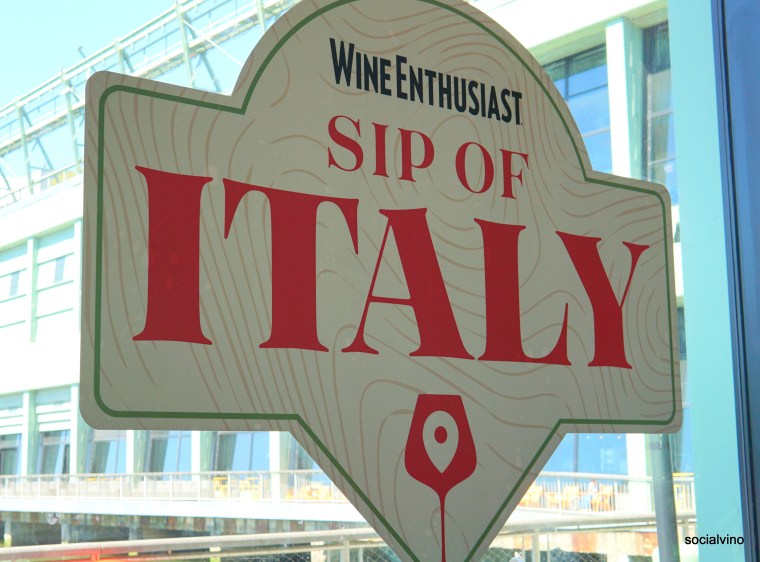
Wine Enthusiast Sip of Italy

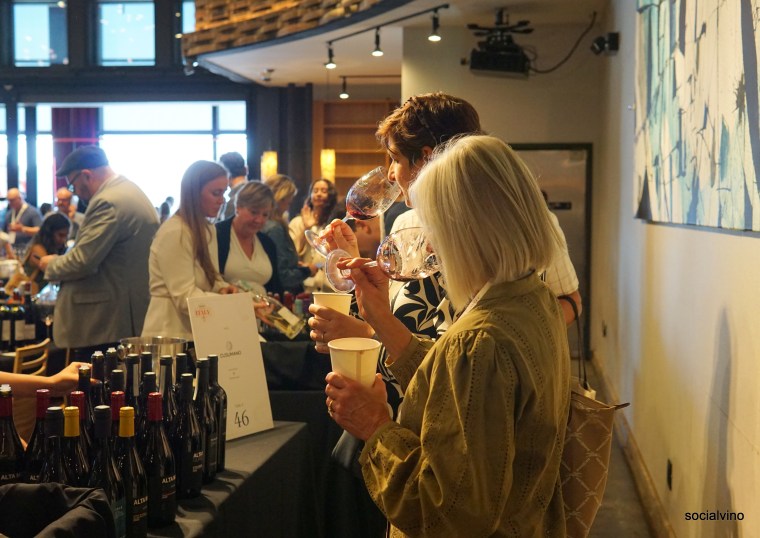
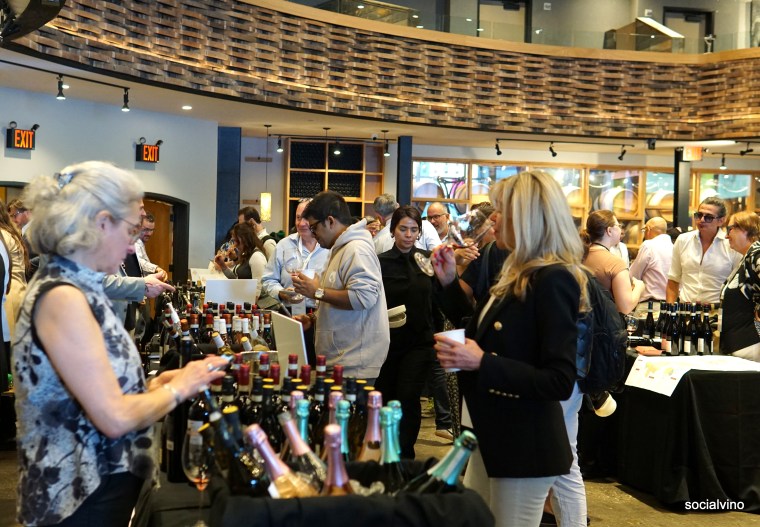
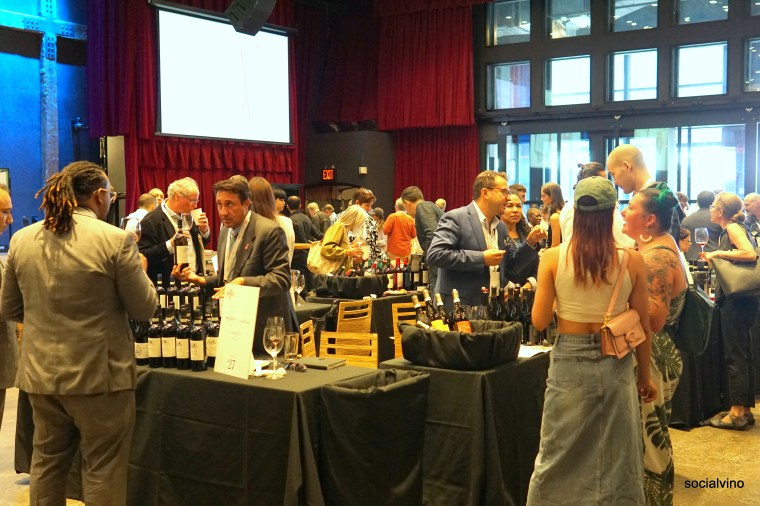
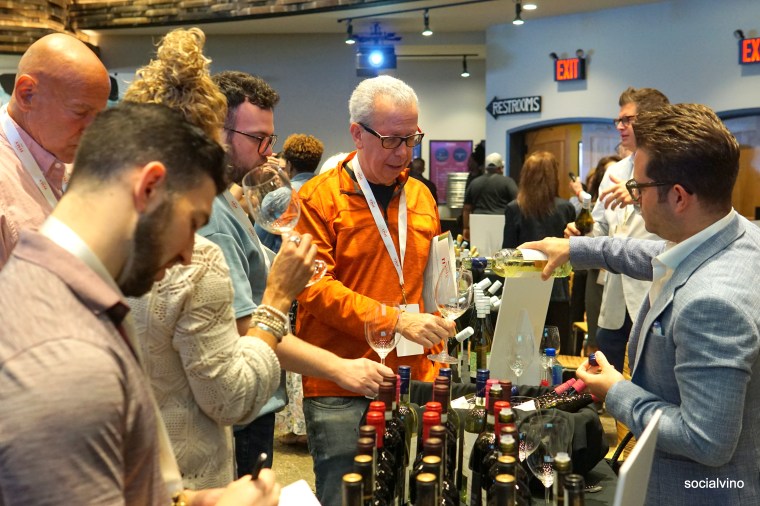
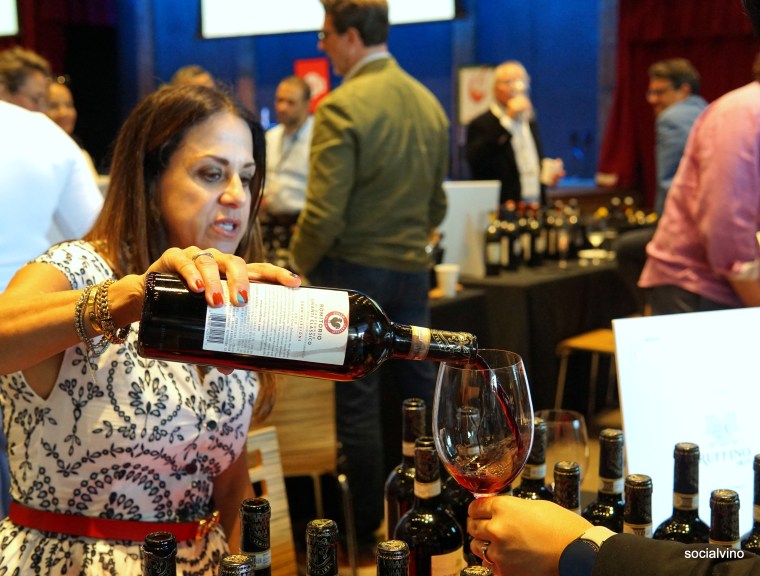
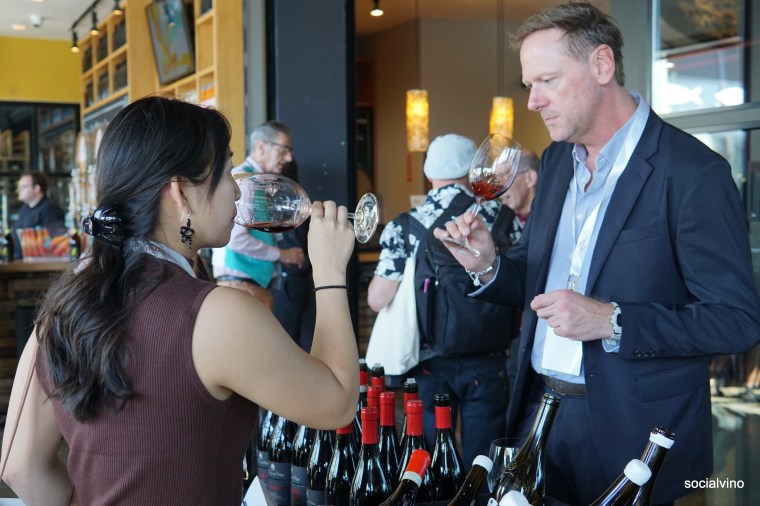
On September 10, Wine Enthusiast magazine held another in their “Sip” series of wine tastings. The last one was Sip of South America and this time around it was Sip of Italy.

The event was an opportunity to sample Italian wines from 50 wineries from all the geographic Italian wine regions.

Coming on the heels of Suckling’s great wines of Italy tasting the previous week, the start of the month of September was full of Italian wines. I attended the trade tasting in the afternoon and there was a tasting open to the public that evening.

The event was held at City Winery located at 25 11th Avenue on the west side Manhattan.

I wanted to sample as many Amarone as possible before moving on to the other regions.

Some of what I sampled:

2021 La Collina dei Ciliegi “Prea” (Veneto): Clear medium gold, spicy cinnamon on the nose, full juicy fruit with floral notes, good balance.

2022 Bozen Sauvignon Blanc “Mock” (Alto Adige): Clear light gold, peachy grass on the nose, moderate fruit with good acidity and balance.

2015 Pasqua Amarone “Mai Dire Mai” (Veneto): Medium opaque brick, tar and mint on the nose, juicy red fruit, firm finish.

2017 Santi Amarone (Veneto): Clear light brick with a tarry nose, chewy and tarry, ripe fruit, long finish.

2018 La Collina dei Ciliegi Amarone “Ciliego” (Veneto): Opaque dark brick, smoke, tar and ripe prunes on the nose, firm, chewy leather fruit with a smokey grip at the end.
2018 Zenato Amarone (Veneto): Opaque medium brick, crushed black fruit on the nose, chewy ripe fruit with a good grip and nice balance.

2018 Bolla Amarone (Veneto): Clear light brick, smokey black cherry on the nose, dusty, chunky black fruit ending with silky tannins.

2018 Covalli Amarone (Veneto): Clear light red, closed nose of woody tar, bright red fruit with bitter almonds on the finish.

2018 Santi Amarone (Veneto): Clear light brick, roasted nuts on the nose, juicy bright red fruit, nice balance.

2019 Cesari Amarone (Veneto): Clear medium red, smokey tar on the nose, big fruit with leather notes and good structure.

2019 Sartori Amarone “Reius” (Veneto): Clear light brick, sweet spices and roasted nuts on the nose, juicy, silky with slate notes, firm tannins.

2019 Ruffino “Modus Primo” (Tuscany): Opaque medium red with a brick rim, toasty pickle juice on the nose, chewy black leather fruit with firm, silky tannins.

2022 Gaddo Bolgheri Rosso (Tuscany): Clear medium brick, smoky black cherry on the nose, chewy, dusty black cherry fruit, good grip.

2022 Cascina Gilli Freisa “Il Forno” (Piedmont): An obscure grape varietal, clear medium brick, raspberry and red leather on the nose, bright red fruit, firm finish.

Suckling Great Wines Italy NYC 2024

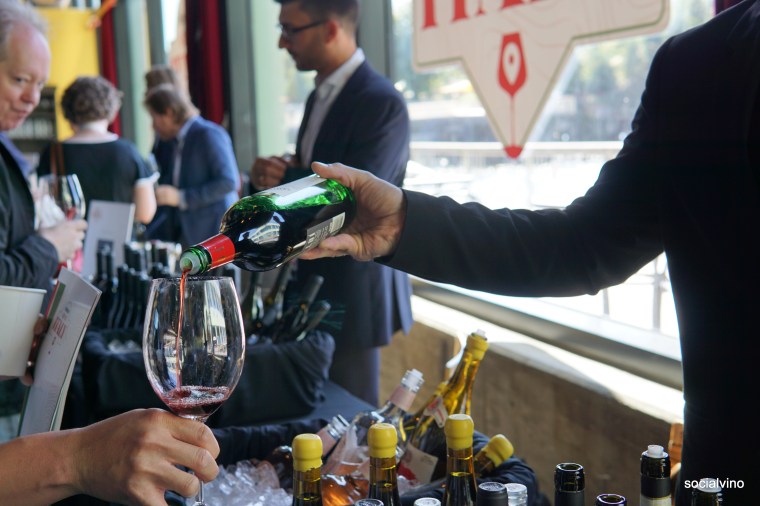
Wine writer and wine critic James Suckling, presented and hosted another one in his series of wine tastings.

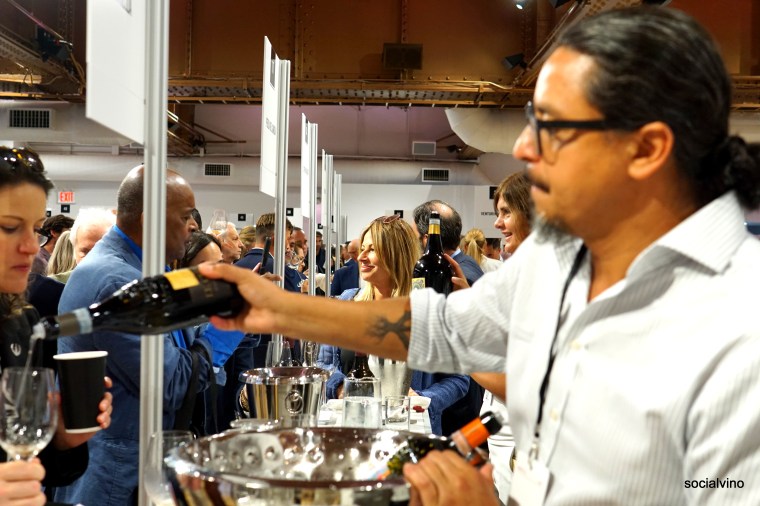
The Great Wines Italy wine event was held in New York City on September 4 & 5 at the Altman Building, an event space at 135 West 18th Street in Manhattan.

The two-day event featured 380 wines from 163 Italian wineries that rated 92+ points on Sucklings rating scale, .

Most of the Italian regions were on hand but the region with the most representation on the Wednesday I attended was definitely Tuscany. That’s not surprising considering the popularity of the wines of Chianti and Brunello di Montalcino.

There was a nice selection of the Brunello and Chianti but not very many Super Tuscans. To begin with, I focused my energy on the selection of Amarone and worked my way to the Brunello’s.

Some of what I sampled:

2018 Ripa della Volta Amarone2019 Tinazzi Amarone Aureum Acinum
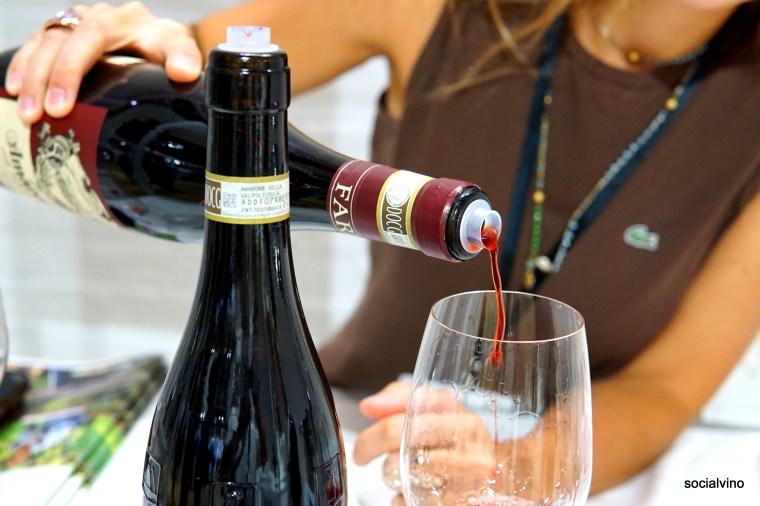
2018 Masi Amarone Costasera2015 Farina Amarone Mezzadro alla Fontana Riserva
2010 Tenuta St Antonio Amarone Lilium Est Riserva2016 Sergio Alighieri Amarone Vaio Armaron
2018 Paradiso di Cacuci Brunello di Montalcino Riserva2019 Picini Brunello di Montalcino
2019 Altesino Brunello di Montalcino Montosoli2019 Altesino Brunello di Montalcino
2019 Carparzo Brunello di Montalcino2019 Carparzo Brunello di Montalcino Vigna La Casa
2017 Castelli Martinozzi Brunello di Montalcino Riserva2018 Ruppiano Famiglia Berselli Brunello di Montalcino
2019 Castello Banfi Brunello di Montalcino2016 Castello Banfi Brunello di Montalcino Poggio alle Mura Riserva
2019 San Polo Brunello di Montalcino2019 San Polo Brunello di Montalcino Podernovi
2019 Valdicava Brunello di Montalcino2019 Valdicava Brunello di Montalcino Vigna Montosoli
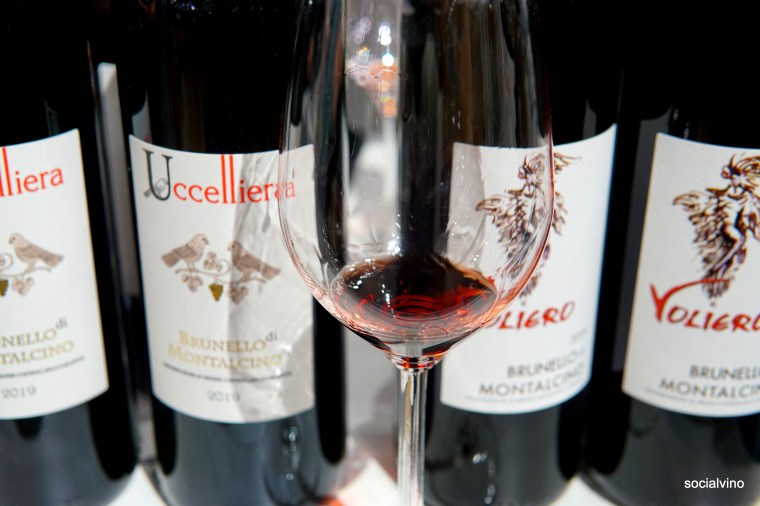
2019 Uccelliera Brunello di Montalcino 2019 Voliero Brunello di Montalcino
2017 Villa Matilde Taurasi Petrafusa2020 Inama Cabernet Colli Berici Bradisimo
2017 Perla del Garda Merlot Garda Leonatus2019 Nino Negri Valtellina Valgella Vigna Fracia
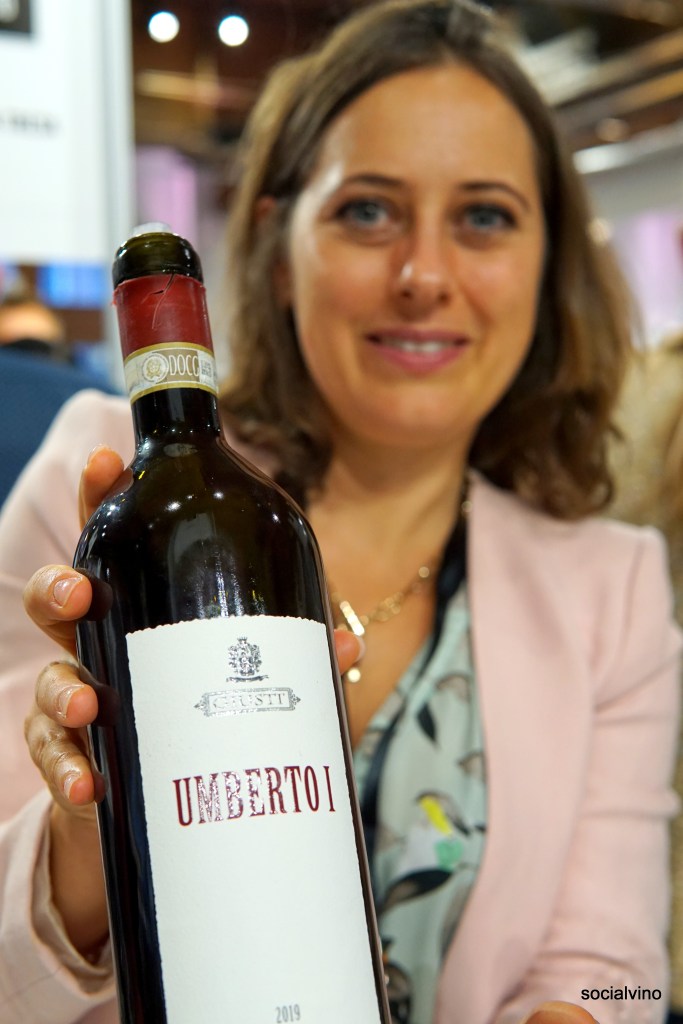
2019 Giusti Montello Tenuta Abazia Umberto2020 Marco Bonfante Barbaresco
2019 Casteani Maremma Terra di Casteani

Valpolicella Wine Crawl

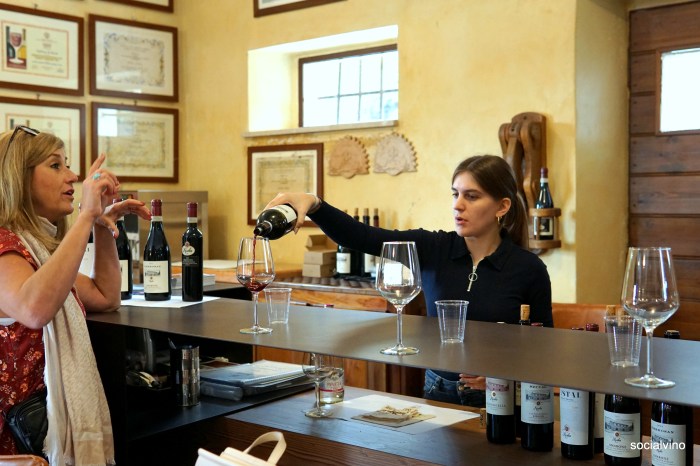
After my stay in Chioggia, I drove east to spend a few days in the Valpolicella wine district. Valpolicella is part of the Veneto region of Italy and is about an hour’s drive east of Venice and directly north of the city of Verona. It’s a large area with Soave on the eastern border and Lake Gardo on the western one.

It’s a DOC with the sub districts of Valpantena and Classico. Valpolicella is a blended wine made with Corvina, Corvanone, Rondenella and Molinara with Corvina and Corvanone making up the bulk of the blend.

The most famous wine coming out of that area would be Amarone. It’s a Valpolicella made in the Passito method in which the grapes are laid out on mats to dry prior to fermentation which concentrates the sugars and flavors.

Amarone is at the top of the pyramid but the progression of wine styles goes like this. Wines designated as Classico are newly bottle wines with minimal aging. The are light in color, young and fresh and can be served with a slight chill on them. Next would be the Superiore which get a bump up in alcohol and some more aging. Next on the progression are the Ripasso wines. These wines are made through a second fermentation of the must used in the Passito of the Amarone wines. This adds body and color to the wines. The Amarone range from the basic Classico wines to various single vineyard bottlings.

My hotel was a 17th century villa converted to a B & B in the Classico region. Rolling hills dotted with Medieval towns. Thank God for Google Maps.

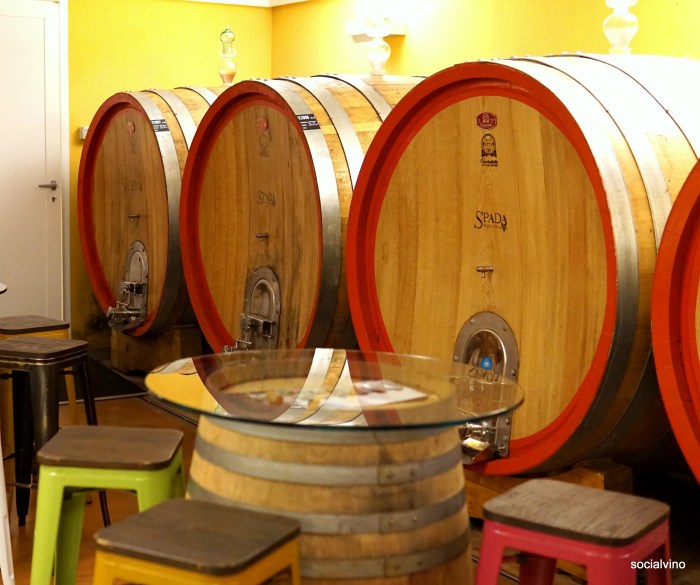
Cantina Spada Via Villa Giradi 26, San Pietro in Cariano

This was the first winery I visited shortly after checking in to my hotel and was a recommendation from the front desk. A family run operation in the heart of Valpolicella.

2021 Classico: Clear medium brick, roasted meat and toasted nuts on the nose, medium fruit with an bitter almond finish.

2018 Superiore: Opaque dark brick, roast meat and dark leather on the nose, dusty, almost sweet fruit, Asian spices and nicely balance with bitter almonds.

2019 Ripasso: Opaque dark brick, roasted meat on the nose, juicy, dark plums with some tart notes on the end.

2017 Amarone: Opaque medium brick, sweet perfume of leather, silky red licorice fruit, dark chocolate and bitter cherry on the finish. Some heat at the end.

Tomassi Family Estates Via Ronchetto 4, Pedemonte

Pretty much a well know label back in the US, they’ve been making wine since 1902. They let me take a self-guided tour of the very impressive wine cellar.

2019 Ripasso: Clear medium brick, big notes of mint on the nose, silky plums and red fruit, ark chocolate, chalk notes and some toast on the finish as well as some heat.

2018 Amarone: Clear medium red, sweet toast on the nose, bitter red cherry fruit and feeling the heat at the finish.

2013 Amarone Riserva “Ca Florian”: Opaque dark red, sweet perfume of violets, milk chocolate and mint, concentrated, thick with mint and black licorice fruit with dark chocolate and chalk notes on the finish.

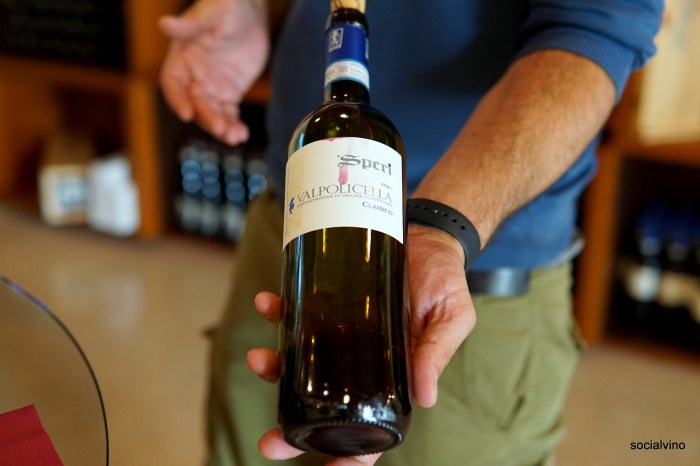
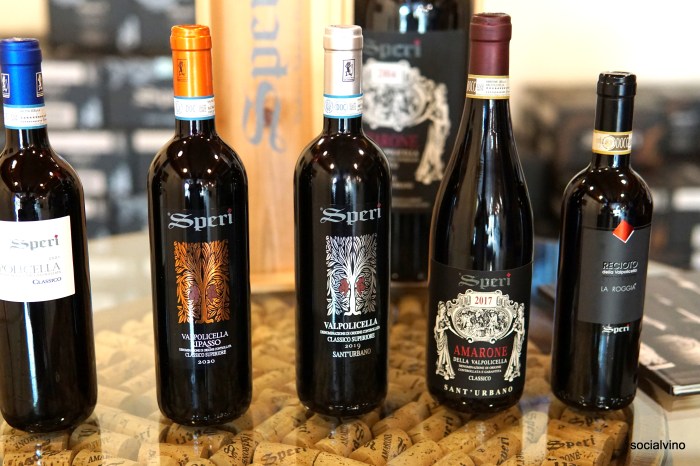
Speri Viticoltori Via Fontana 14, San Pietro in Cariano

Another family run operation on its seventh generation.

2021 Classico: Clear light purple, crushed red fruit and earth on the nose, medium to light bodied juicy red fruit with moderate acids on the spicy finish.

2019 Superiore :St, Urban”: Opaque dark red, spicy cinnamon on the nose, tight red fruit ending with firm acids.

2020 Ripasso: Opaque medium red, closed nose of tree bark and spicy earth, spicy cherry fruit with crisp acids on the long finish.

20017 Amarone Classico “St. Urban”: Medium dark red, closed nose of dried herbs and chocolate, silky, concentrated fruit with bitter chocolate on the long finish. Nicely balanced.
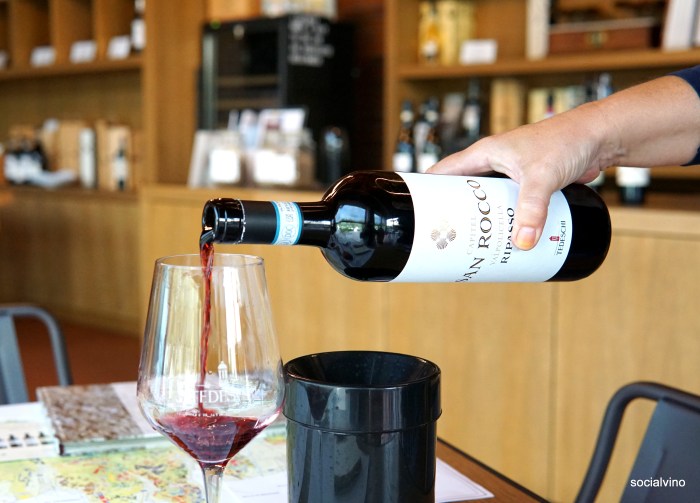
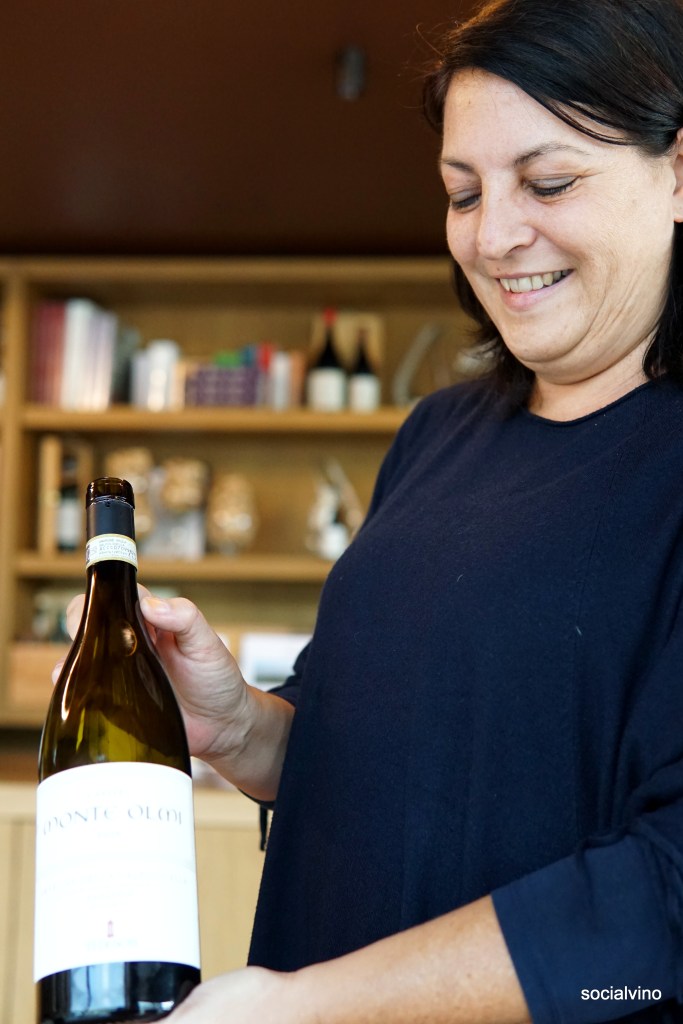
Agricola Tedeschi Via Verdi 4/A, San Pietro in Cariano

Definitely not the new kid on the block, making wine since 1630. They graciously opened the tasting room for me and poured an extensive selection of their excellent wines.

2019 Superiore “Maternigo”: Light brick, red licorice and earth on the nose with silky red fruit and ending with spicy notes.

2019 Superiore Classico “La Fabriseria”: Opaque medium red, pretty perfume of spicy cigar box, silky red fruit with a bitter chocolate finish with crisp acids.

2019 Ripasso “Capitel San Rocco”: Clear medium red with a brick rim, barnyard and spicy potpourri on the nose, silky red licorice fruit with leather notes on the well-balanced finish.

2019 Amarone “Marne 180”: Opaque dark red, dark chocolate and chalk on the nose, chewy and firm red fruit with a long finish.

2016 Amarone Classico Riserva “Monte Olmi”: Opaque dark red with a brick rim, tar, black leather and sandlewood on the nose, concentrated black fruit, silky and elegant and nicely balanced.

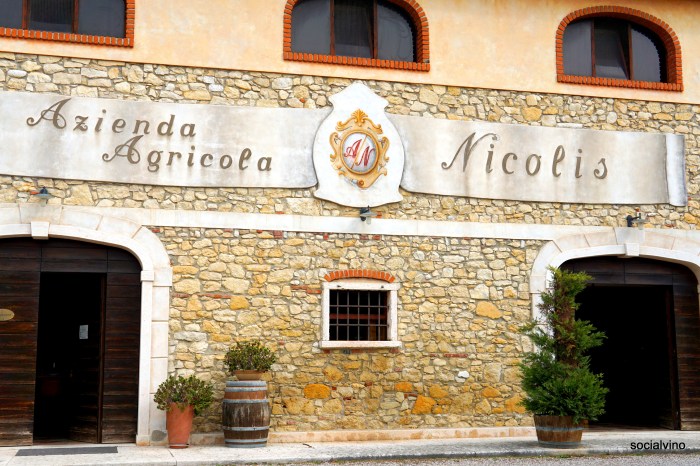
Agricola Nicolis Via Villa Girardi 29, San Pietro in Cariano

And yet another family run operation.

2020 Classico: Medium purple, crushed red fruit and mint on the nose, dusty fruit with a bitter almond finish.

2019 Ripasso “Seccal”: Clear medium red, crushed rocks and red leather on the nose, dusty red fruit ending with mouth coating tannins.

2016 Amarone Classico: Opaque dark red, ripe, sweet, port like nose, ripe fruit with teeth coating tannins, dry finish.

2013 Amarone “Ambrosan”: Opaque dark red with a brick rim, toast and green wood on the nose, silky red fruit followed by mouth coating tannins.

Brunelli Winery Via Cariano 10, San Pietro in Cariano

Winery in the heart of the Classico subregion, their wine cellar has been around since 1700.

2018 Ripasso: Light brick, tar and leather on the nose, silky, dusty dark fruit, nicely balanced.

2018 Campo del Maestro: A blend of nine grapes, medium brick, sweet red fruit and black pepper on the nose, silky red fruit with roast meat and mushrooms notes, good grip and a long finish.

2019 Amarone Classico: Clear light red, sweet strawberry jam and smoke on the nose, tight, silky red fruit.

2017 Amarone Riserva “Campo Inferi”: Opaque brick, perfume of black cherry and black licorice, silky ripe fruit but not overly ripe, with red licorice notes on the finish.

Zyme Winery Via Ca’ del Pipa 1, San Pietro in Cariano

This is the outlier winey in the area, from the name which means “yeast” in Greek, to the circular elevator in the tasting room and the wines.

2018 Superiore: Opaque light brick, dried herbs on the nose, juicy red fruit with a nice balance.

2019 “Kairos”: A red blend made with 15! grape varietals. Clear medium red, juicy black licorice on the nose, juicy and chewy black fruit with some green notes on the finish.

2017 Amarone Classico: Clear medium brick, big toasty notes on the nose, juicy black leather fruit with a nice grip and balanced.

Ca La Bionda Via Bionda 4, Marano di Valpolicella

Very low key winery that was recommended to me by another winery, a drive up into the hills where the hospitable gentleman (owner?) sat down and gave me a private tasting.

2021 Classico: Clear light red, young red juicy fruit, a fresh wine with a nice grip.

2019 Superiore “Casalvegri”: Medium red with a pretty perfume of tar and leather, silky red fruit with a long and balanced finish.

2019 Ripasso “Malavoglia”: Clear medium to light red, black licorice and dried herbs on the nose, silky, medium red fruit with a great balance. Tasty wine.

2016 Amarone Classico: Opaque medium red, crush spicy red fruit on the nose, juicy, chocolate fruit with nice acidity at the end.