Bertani Amarone Vertical Tasting New York City

It’s always an education and a treat to be able to sample wines with some considerable bottle age when the opportunity presents itself.

It’s a myth that wine gets better the older it ages, it’s more like a Bell curve, on the left side of the curve is when the wine is released, it reaches its peak and then slides downward.

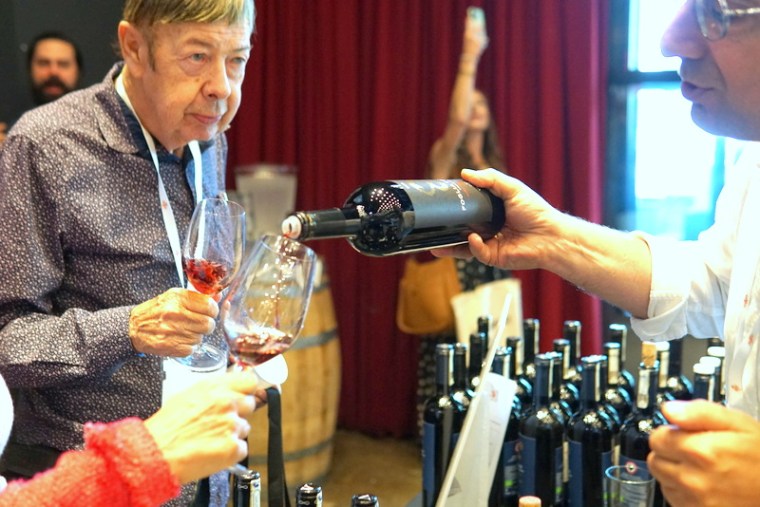
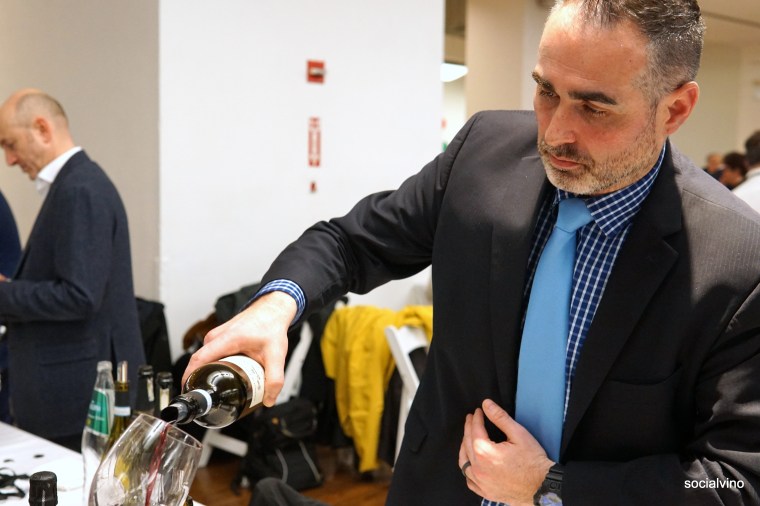
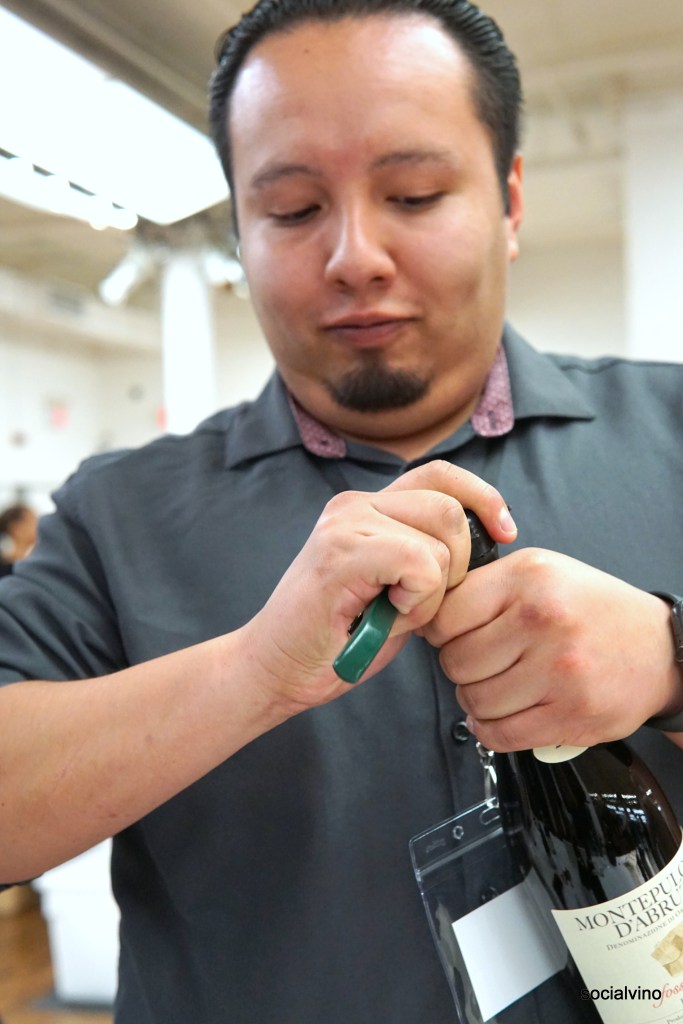
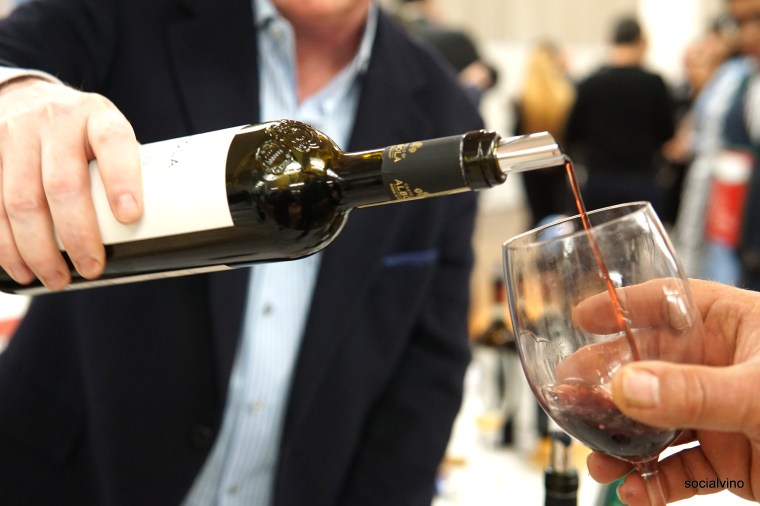
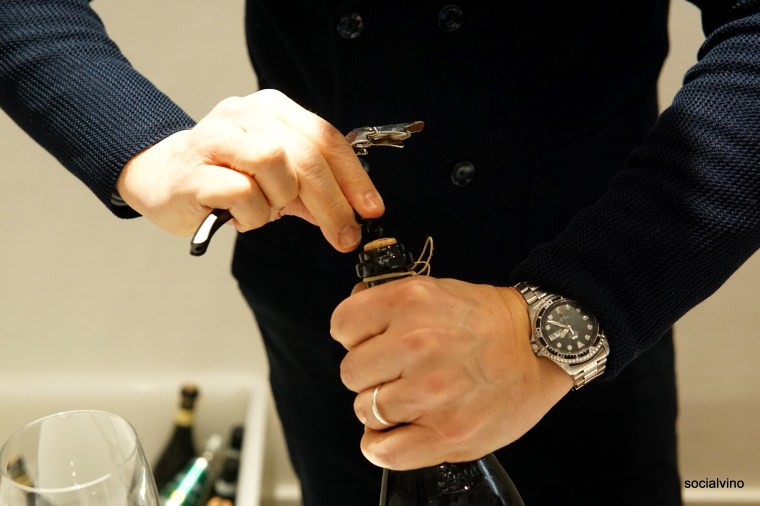
I had the opportunity to sample a few older bottles on September 29th when distributor Independence Wine & Spirits held their Luxury Italian Tasting.

It was a niche of their portfolio that included Barolo, Barbaresco, Brunello, Amarone and some Italian sparklers. The tasting was held at their offices at 298 5th Avenue in midtown Manhattan.

Some of the older bottles included the 1999 Col d’Orca Brunello di Montalcino, a 1982 Fontanafedda Barolo Riserva and a 1996 Fontanafredda Barolo Vigna La Villa to name a few.

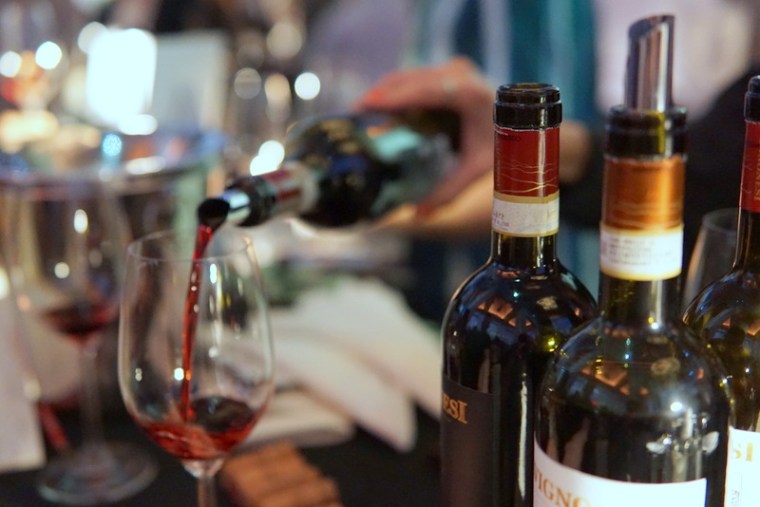
I have to admit that some of the older bottles were on the downward side of the curve, but it was a unique experience. An older bottle than held up was the 1968 Bertani Amarone which was drinking nicely, and I was able to sample five vintages of that wine.

Valpolicella is a red wine produced in the Veneto region of Italy, north of the city of Verona. It’s a blended wine primarily made with the Corvina grape varietal. Amarone is one category of Valpolicella that includes Classico, Superior and Ripasso. What makes Amarone unique is that they let the grapes dry out and concentrate the sugars. Back in the day if you ran into a red wine with a 15+% alcohol level, it was either a California Zinfandel or an Amarone but that’s not the case now.

These are big and brawny wines, many almost port like, great for a Winter night with a hearty stew but not easy to pair with other food. A couple of years back I did a wine tour of Valpolicella and visited several wineries. The Amarone I sample at those wineries were more delicate, feminine and more structured than what I was used to, much more food friendly which is what the winemakers I spoke to said they strived to produce.

Bertani is one of the most recognizable producers of Amarone and they have been producing wine for over a century and a half.

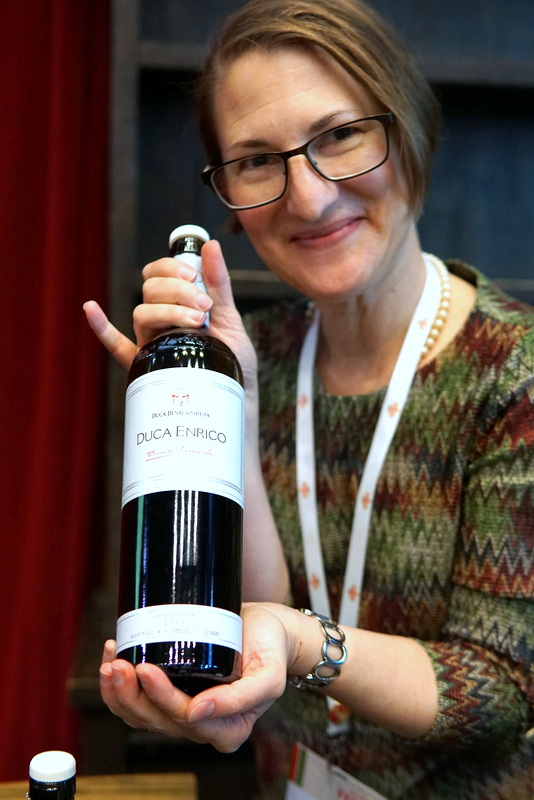
Bertani Amarone

1968

Clear light brick, sweet plums on the nose, silky, red cherry fruit with a good grip and a long finish.

1990

Clear medium brick, crushed mint and dark chocolate on the nose, chewy dark chocolate fruit, nice grip with cocoa notes on the long finish.
2010

Clear medium brick, crushed red fruit, mint and graphite on the nose, chewy and plummy ending with crisp acidity.

2011

Clear medium brick, toasty dark fruit and white pepper on the nose, chewy and peppery ending with firm tannins.

2012

Clear medium brick, smokey plum on the nose, toasty chocolate fruit ending with tight tannins.

Wine Enthusiast Sip of Italy NYC 2025

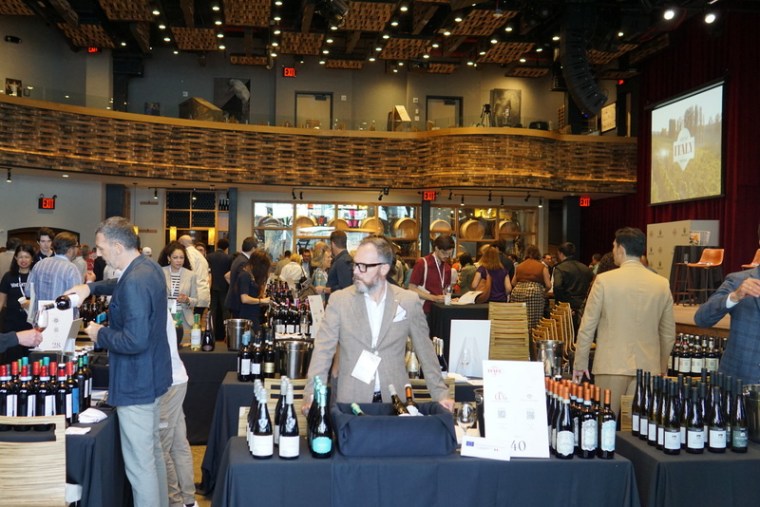
On September 11th, I attended the Wine Enthusiasts Sip of Italy wine tasting event. It was another their series of “Sip” wine tasting events hosted by the magazine.

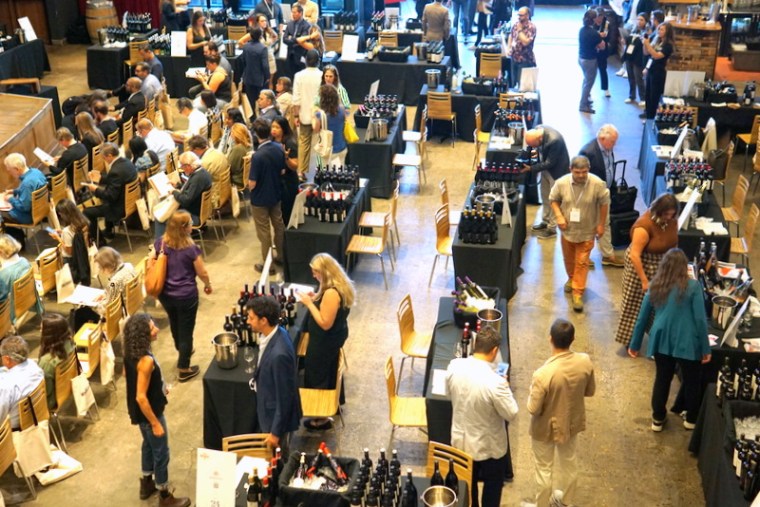
It was an all-Italian wine tasting of over 300 wines from most of the wine regions in Italy. Most of the wines were from smaller, off the radar producers with many looking for an importer.

The tasting was held at City Winery located at 25 11th Avenue on the far west side of Manhattan overlooking the Hudson River.

Some of what I sampled:

2018 Vignamaggio Chianti Classico Gran Selezione “Monna Lisa” (Tuscany): Clear medium brick, perfume of tar, leather and green herbs, silky red fruit with black licorice notes ending with tight tannin.

2018 Zenato Amarone Riserva (Veneto): Opaque dark brick, toasty leather on the nose, chewy and chunky with green herbs notes on the long finish, good grip.

2019 Ruffino “Alauda” (Tuscany): A blend of Cabernet Franc, Merlot and Colorino. Opaque dark red, mint and dark chocolate on the nose, tight and dense crushed black fruit with black licorice notes, great balance.

2019 Banfi “Summus” (Tuscany): Bordeaux blend. Opaque dark red, black leather and crushed black fruit with toast notes on the nose, tight, concentrated and chewy with a firm grip and a long finish.

2019 Ruffino Modus Primo (Tuscany): Clear medium brick, perfume of violets and tarry chocolate, chewy black fruit with stone notes ending with good acidity.

2020 Tenute Orestiadi “Il Rosso di Ludovico” Riserva (Sicily): Clear medium purple, perfume of violets and green herbs, juicy black fruit, firm finish.

2021 Tenute Sette Ponti “Sette” (Tuscany); 100% Merlot. Opaque dark red, brick rim, toasty roast meat on the nose, tight and juicy with gun metal notes, firm finish.

2021 Viticcio Foglia Tonda (Tuscany): Made from 100% of the obscure Foglia Tonda grape varietal. Clear light brick, crushed black cherry and toasty chocolate on the nose, chewy red fruit, long and firm finish.

2021 Brancaia “Ilatraia” (Tuscany): A blend of Cabernet Sauvignon, Petit Verdot and Cabernet Franc. Clear medium purple, minty crushed black fruit on the nose, chewy dark fruit with a firm finish.

James Suckling Great Wines Italy New York 2025

James Suckling is a wine critic and the CEO and publisher of the wine media platform, JamesSuckling.com.

He hosts some very nice wine tastings around the world throughout the year. This past June in New York, he held Great Wines World. It was a mega tasting with two days of 800 worldwide wines that had scored 90+ points on his rating scale.

This past September 3 & 4 he held the New York leg of his Great Wines Italy wine tour. It was a smaller event than the Wines World with “only” 300 wines from all the regions of Italy.

Italy is one of the great wine producing countries of the world with wine a part of Italian culture for thousands of years. The country is one big vineyard with home to over 1,300 grape varieties so Suckling and his team had plenty to choose from.

This was a walk around tastings open to both trade and the public, I attended on Wednesday evening.

Some of what I sampled:

2023 Tenuta di Montefoscoli “Vacevoli” (Tuscany): Clear dark gold, sweet tropical fruit on the nose, juicy pineapple notes with moderate acidity.

2011 Zyme Amarone “La Mattonara” (Veneto): Opaque dark red, tar, forest floor and crushed red berries on the nose, chunky dark chocolate fruit ending with silky, firm tannin.

2017 Ciacci Piccolomini d’Aragona “Pianrosso” (Tuscany): Clear light brick, sweet tar and cooked vegetable on the nose, juicy fruit with cola notes, firm finish.

2018 Cotarella Le Macioche Brunello di Montalcino (Tuscany): Clear medium brick, smoke and sweet cooked fruit on the nose with peppery, silky red fruit.

2018 Zyme Amarone (Veneto): Clear medium brick, tree bark on the nose, juicy, moderate fruit with herb notes on the balanced finish.

2019 Pian delle Querci Brunello di Montalcino Riserva Il Piccho “Serbolino” (Tuscany): Clear light brick, tar and toasty milk chocolate on the nose, toasty dark chocolate fruit with a nice grip.

2020 Sordo Barolo “Monprivato” (Piedmont): Clear light brick, minty tar on the nose, moderate red fruit with a nice grip at the end.

2020 Boschetto Campacci “Masgalano” (Tuscany): 100% Merlot. Opaque dark red, brick rim, stinky tar on the nose, chunky and chewy ending with a good grip.

2021 Antonutto Rosso “Poppone” (Friuli-Venezia-Giulia): A blend of Merlot and Pignolo. Opaque dark red, toasty dark chocolate on the nose, chewy dark fruit with chocolate notes, nice balance.

2021 Ca ‘Viola Barolo “Caviot” (Piedmont): Clear light brick, toasty forest floor on the nose, tight fruit ending with big tannins.

2021 Kloster Neustift Pinot Nero Riserva “Praepositus” (Alto Adige): Clear light red, toasty spice on the nose, light and spicy fruit, some tartness on the finish.

2023 Tenuta Liliana Cabernet Sauvignon (Tuscany): Clear medium purple, band aid notes on the nose, toasty red fruit, moderate acids.

Wines of Abruzzo 2025

Abruzzo is one of the 20 regions of Italy and is located in the central, eastern part of the boot with a coastline along the Adriatic Sea.

It’s one of the more rural regions of Italy with more national parks and nature reserves than large cities. It’s definitely not on the typical tourist itinerary.

Of course, since it is in Italy, they do produce wine and have for a long time, with two DOCG in the region.

On June 23rd, I attended a sit down tasting of the “Extraordinary Wines of Abruzzo” which consisted of four white wines and six red wines. The tasting was held in Gattorpardo restaurant located at 15 West 54th Street in midtown Manhattan.

The main red varietals are Montepulciano D’Abruzzo and Cerasuolo with Pecorino and Trebbiano D’Abruzzo for the white varietals.

I thought the reds were a little hard edged at this point and could have used more bottle time, the whites were very drinkable.

Seminar

2024 Fontefico Terre di Chieti Pecorino D’Abruzzo La Canaglia Bio: Clear medium gold, honey and white flowers on the nose, medium body with crisp acidity.

2023 Tenuta I Fauri Abruzzo Pecorino Bio: Clear dark gold, honey and stone notes on the nose, moderate body with moderate to low acidity.

2021 Ciavolich Trebbiano D’Abruzzo Fosso Cancelli: Clear medium gold, sweet spice and petroleum on the nose, moderate fruit and acidity.

2010 Valentini Trebbiano D’Abruzzo: Clear medium gold with ripe earth notes on the nose, chewy and earthy with nice balance.

2024 Cataldi Mandona Cerasuolo D’Abruzzo Malamdrino: Clear light red, crushed raspberry on the nose, medium body with crisp acidity.

2024 Torre dei Beati Cerasuolo D’Abruzzo “Rosa AR-Bio: Clear medium red, melon notes on the nose, tight with firm acidity.

2010 Emidio Pepe Montepulciano D’Abruzzo Organic: Opaque dark red, sweet graphite, tar and barnyard floor on the nose, tight and dusty with mouth filling tannin.

2021 Masciarelli Montepulciano D’Abruzzo Riserva San Martino Rosso Marina Cvetic: Opaque black, purple rim, slate, herbs and cigarette smoke on the nose, chewy with mouth filling and teeth coating tannin.

2021 Fattoria Nicodemi Montepulciano D’Abruzzo Colline Teramane Cocciopesto Bio: Opaque black, purple rim, dark chocolate, toast and slate notes on the nose, dusty red fruit with firm tannin.

2019 Illuminati Montepulciano D’Abruzzo Riserva Colline Teramane Zanna: Clear dark red, crushed dark berries, eucalyptus and herbs on the nose, concentrated, chewy with mouth coating tannin.

Vino Nobile di Montepuliano Tasting NYC 2025

Vino Nobile di Montepulciano is a red wine produced in the Tuscan region of Italy as are its more well-known and more famous cousins of Chianti and Brunello di Montalcino.

As with Chianti and Brunello, they are Sangiovese based wines with their own particular Sangiovese clone called Prugnolo Gentile.

Vino Nobile is a D.O.C.G. designated wine with the rules dictates the use of 70%-85% Sangiovese depending on the designation of entry level, Riserva or Pieve.

Pieve is a new designation approved in 2025 and is the level above Riserva. Pieve is broken down into 12 sub districts (Pievi) and the grapes must be from vineyards at least 15 years old and managed by the producer/bottler.

A walk around tasting of the wines of Vino Nobile di Montepulciano as well as a sit-down, guided wine seminar was held on May 21st for members of the trade. At the guided wine seminar, they poured 12 wines from the 2021 vintage from various producers

Since these wines aren’t as well known as the other wines from Tuscany, the winemakers had to step up their game and focus on quality to win over consumers and I tasted that in the wines I sampled.

Guided Wine Tasting

2021 Carpineto Pieve Sant’Albino Vigneto Poggio Sant’Enrico Grande: Clear medium red, stone and black cherry on the nose, concentrated dusty red fruit, dusty tannin, nice grip.

2021 Podere Casanova Pieve Sant’Ilaro DOCG: Clear medium red, purple rim, red cherry tar on the nose, juicy red fruit with white pepper notes, firm tannin.

2021 Vecchia Cantina di Montepulciano Pieve Sant’Ilario DOCG: Clear dark red, purple rim, sweet tarry red cherry on the nose, bright red fruit with leather notes, crisp acids and bitter cherry on the finish.

2021 Tiberini Pieve Caggiole DOCG: Clear medium purple, black fruit and varnish on the nose, juicy red fruit, dusty tannin with moderate acidity.

2021 Poleziano Pieve Caggiole DOCG: Clear dark red, purple rim, black cherry and petroleum on the nose, juicy and chewy black fruit, dusty tannin, nice grip.

2021 Fattoria Svetoni Pieve Cervognano DOCG: Clear medium red, tar and cigarette smoke on the nose, juicy, a little bland, firm grip.

2021 Le Berne Pieve Cervognano Alto: Clear medium red, sweet red fruit, black pepper and some earth on the nose, juicy red fruit, tight with firm tannin.

2021 Vecchia Cantina di Montepulciano Pieve Cervognano DOCG: Opaque dark red, ripe fruit and tobacco on the nose, juicy red fruit, firm, dusty tannin.

2021 Marchese Frescobaldi Pieve Cervognano Tenuta Calimaia Viacroce DOCG: Opaque dark black, tar and ripe dark cherry on the nose, chewy black fruit ending with mouth coating tannin.

2021 Talosa Pieve Le Grazie Vigna Chiusino DOCG: Opaque black, purple rim, perfume of violets, thyme and black leather, concentrated and tight with tongue coating tannin.

2021 La Ciarliana Pieve Cerliana DOCG: Opaque dark red, purple rim, tar and crushed black fruit on the nose, chewy black fruit with mint notes, tongue coating tannin, moderate acidity.

2021 Gracciano Della Seta Pieve Gracciano DOCG: Clear medium red, sweet tree bark on the nose, juicy red fruit, firm tannin and crisp acids.

Vinous Icons Italy New York City 2025

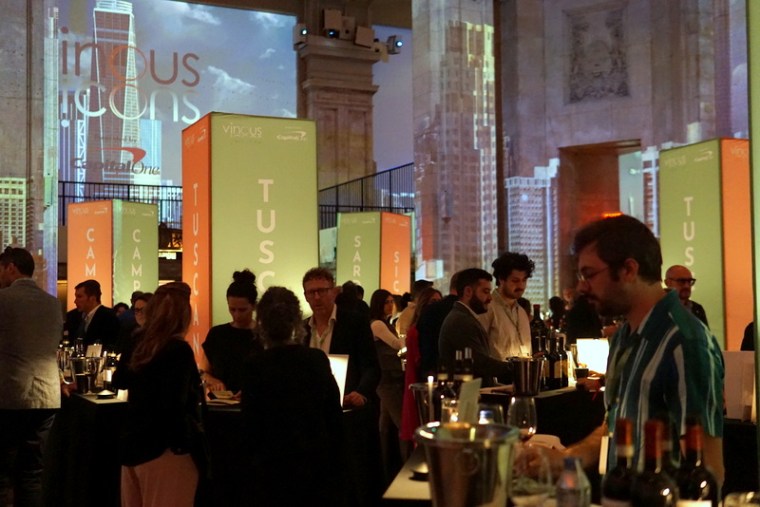
Vinous is an internet wine magazine founded by wine critic Antonio Galloni that hosts numerous wine events throughout the year. They held their first annual Vinous Icons wine tasting event in New York City last year which featured iconic wines of the world.

On May 16 & 17 of this year, they hosted the first annual Vinous Icons Italy in which consumers and members of the trade had the opportunity to sample iconic wines of Italy.

Most of the twenty wine regions of Italy were represented with many wineries pouring different vintages on each day. I attended on Friday, May 17th.

The event was held at Hall des Lumieres located at 49 Chambers Street in Manhattan. The venue is down the block from the old City Hall building and the Manhattan entrance to the Brooklyn Bridge.

Some of what I sampled:

2016 Masi Amarone della Valpolicella Mazzano Cantina Privata Boscaini: Cloudy medium red, Asian spices on the nose, juicy with silky tannins.

2016 Rocca di Castagnoli Chianti Classico Riserva: Clear medium brick, tar, dirt and dark chocolate on the nose, concentrated black fruit ending with mouthwatering acidity.

2016 Livio Sassetti Brunello di Montalcino Riserva: Clear light brick, toasty tar on the nose, juicy, dusty red fruit with a balanced finish.

2018 Brigaldara Amarone della Valpolicella Casa Vecie: Opaque medium brick, tar and dirt on the nose, silky dusty fruit with silky tannin and a crisp grip.

2018 Tenuta Sant’Antonio Amarone della Valpolicella Campo dei Gigli: Clear medium brick, red cherry chocolate on the nose, tight with dark chocolate notes ending with crisp acids.

2018 Michele Satta Bolgheri Superiore Marianova: Clear medium brick, dirty tar on the nose, juicy fruit with tar and bitter cherry notes ending with nice acidity.

2018 Dei Vino Nobile di Montepulciano Riserva Bossona: Clear medium brick, cherry tar on the nose, juicy and toasty with firm tannin.

2019 Speri Amarone della Valpolicella Classico Sant ‘Urbano: Opaque medium red, brick rim, dark chocolate and green herbs on the nose, juicy red leather fruit, silky tannin and good acidity.

2019 L’Orcio a Ca di Pesa Chianti Classico Gran Selezione: Clear medium red, classic nose of tar and leather juicy with stone and bitter almond notes, firm and balanced

2019 Fuligni Brunello di Montalcino Riserva: Clear medium red, tobacco on the nose, juicy ending with silky tannins.

2020 Argentiera Ventaglio: Cabernet Franc. Clear medium brick, tree bark and white pepper on the nose, tight with bitter bark notes, crisp acids.

2020 Argiolas Turriga: Opaque dark red, slate and dark chocolate on the nose, chewy dark fruit, silky tannin and a crisp finish.

2021 La Spinetta Barbaresco Vigneto Valeirano: Clear light brick, crushed strawberries on the nose, juicy berry fruit with good structure.

2021 Avignonesi Desiderio: Opaque dark red, smoky dark chocolate on the nose, tight, crunchy fruit with crisp acids.

2021 Fattoria Le Pupille Syrah Le Pupille: Clear medium red, purple rim, dirty tar on the nose, chunky dark fruit with thyme notes, nice balance.

Frascati, Italy

There was a time when Italian wines in this country were mass produced, inexpensive wines sent over by the boatload. Every Italian restaurant would have a sweet, fizzy Lambrusco, a Bardolino, a Valpolicella and a Chianti in the straw flask for the reds and Soave, Verdicchio and Frascati for the whites. I especially remember bottles of Fontana Candida brand Frascati.

The Italian wine industry went through a big change when the old school winemakers were replaced by a younger crowd with more modern ideas. Those regions began to focus more on quality than quantity, probably to break into the international market.

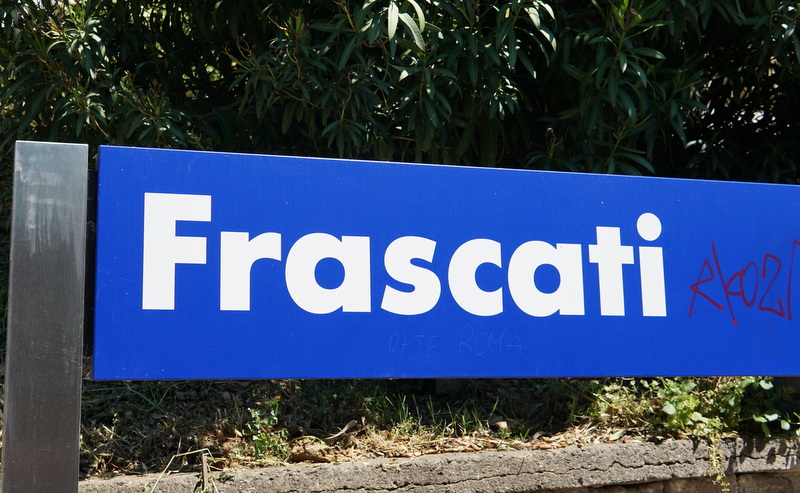
This month I spent a couple of weeks in Europe and my first stop was the city of Rome. In Italy you can name the wine after the varietal or the town around where wine was grown, or a fantasy name. Frascati is a medieval town in the Alban hills about a half hour train ride from Rome.

It’s where back in the day, the Pope’s would travel to when the weather became too hot and the diseases too rampant back in Rome.

It’s a pretty hilltop town with winding and narrow cobblestone streets and a nice view of the surrounding countryside.

Frascati is a blended white wine and under D.O.C rules having a minimum 70% Malvasia Bianca di Candia with the rest local white varietals.

While wandering around town, I stopped in Santé Wine & Food restaurant located at Corso Italia 14 and chatted with the owner who poured a couple of local wines for me to sample.

2024 Colle Arnaldo Mamilio Frascati

Light gold, rosemary and damp earth on the nose, dry and crisp with a slight spritz and green herb notes.

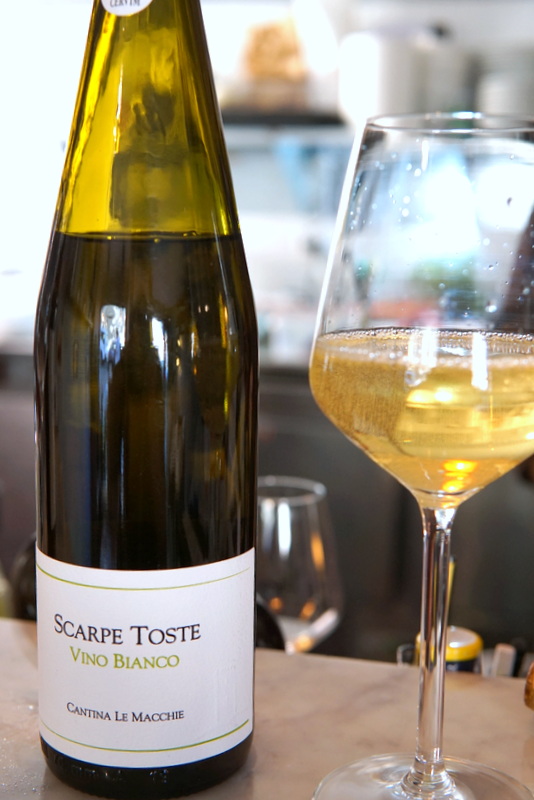
2023 Cantina le Macchie Scarpe Toste Gewürztraminer : When the owner suggested I try this wine I thought the last place I would drink a Gewurztraminer was in the hills of Lazio, but the owner explained that the cooler climate in the hillside vineyards made for a good wine.

Dark gold in color, roast hazelnuts on the nose, chewy, medium bodied fruit with vanilla notes and good acidity.

Chianti Classico Grand Tasting NYC 2025

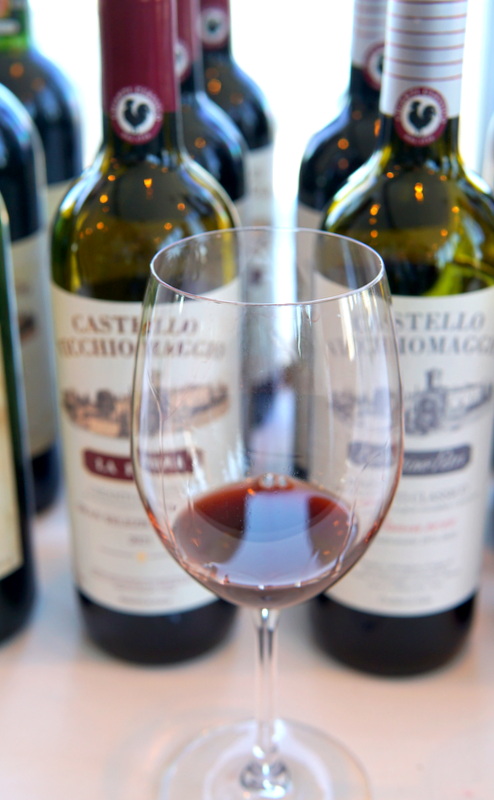
On April 28th the Consorzio Vino Chianti Classico held a tasting of the wines of Chianti Classico Black Rooster label. They brought over 39 wineries to pour current and older vintages of their wines and Vin Santo and local olive oils.

The tasting was held at Manhatta restaurant located at 39 Liberty Street in lower Manhattan.

Chianti is probably the most well know Italian wine and Chianti Classico with the Black Rooster label is the most well know of the eight Chianti regions. In addition to Classico, the rest of the regions are Montalbano, Rufina, Montespertoli, Colline Pisane, Colli Aretini and Colli Fiorentini.

Chianti Classico was born in 1716 when the borders of the production zone were delimited.

There are three tiers on the quality pyramid of Chianti. The first is Annata, the next tier up is Riserva and the top tier which is about 6% of Chianti Classico production is the Gran Selezione, a new category that was established in 2014. The requirements have 80%-90% minimum to 100% maximum of Sangiovese to be used with the rest indigenous or international red grapes.

At a large tasting I focus my efforts and today I sampled the Riserva wines from the various wineries.

2016 Tenuta Carobbio Chianti Classico Riserva “Carobbio:” Clear dark brick, woody dark chocolate on the nose, chewy fruit with forest floor notes ending with firm, silky tannin.

2017 Tenuta Carobbio Chianti Classico Riserva “Carobbio”: Clear medium brick, sweet tar and rosemary on the nose, sweet dusty fruit ending with bitter almond notes, nice grip.

2018 Quercia al Poggio Chianti Classico “Quercia al Poggio”: Clear medium brick, sweet dirty tar on the nose, tight with bitter cherry notes.

2019 Caparsa Chianti Classico Riserva “Pietraia”: Opaque dark red, sweet tar and white pepper on the nose, concentrated ripe fruit, firm tannin.

2020 Casina di Cornia Chianti Classico Riserva “Vigna la Casina”: Clear medium brick, forest floor and red fruit on the nose, dusty red fruit ending with silky, firm tannins.

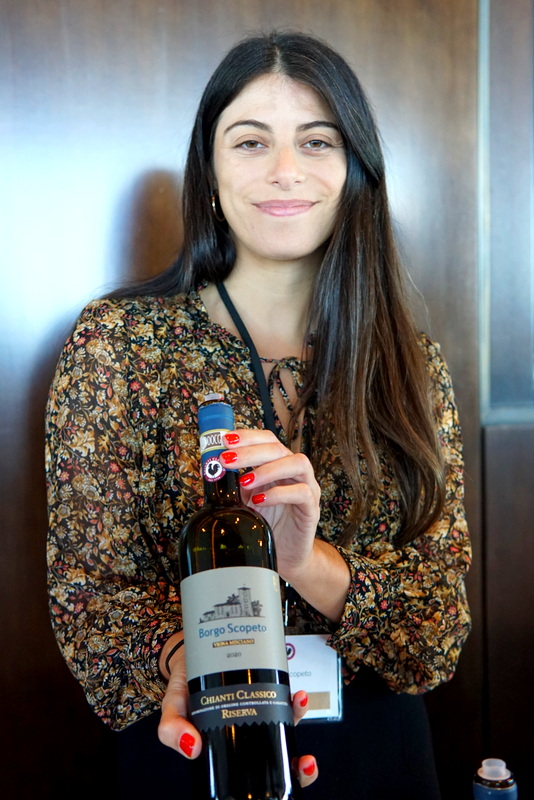
2020 Borgo Scopeto Chianti Classico Riserva “Vigna Misciano”: Clear light red, closed nose of sweet stone, juicy red fruit with dusty tannin.

2020 Melini Vigneti La Selvanella Chianti Classico Riserva ” Vigneti La Selvanella”: Clear medium brick, smoky black cherry on the nose, concentrated dusty fruit firm tannin and acids at the finish.

2020 Castello Monterinaldi Chianti Classico Riserva “Castello Monterinaldi”: Clear medium brick, smoke and tar on the nose, tight red fruit, firm tannin.

2021 Castello di Monsanto Chianti Classico Riserva “Castello di Monsanto”: Clear medium purple, toasty smoke on the nose, tight and dusty fruit, firm tannin.

2021 Ormanni Chianti Classico Riserva “Borro del Diavolo”: Clear medium brick, tarry dirt on the nose, chewy dusty fruit, nice grip.

2022 Vallepicciola Chianti Classico Riserva “Vallepicciola”: Clear medium brick, sweet gun metal on the nose, tight and concentrated crushed black fruit with black pepper and bitter cherry notes at the finish.

2022 Marchesi Frescobaldi Chianti Classico Riserva “Tenuta Perano”: Opaque dark purple, sweet tar and leather on the nose, tight and dusty red fruit ending with citrus notes and firm tannin.

A Couple Of Italian Tastings In New York City 2025

The month of March is when many of the wine and spirits distributors have their biannual portfolio tastings for members of the trade. To coincide with that many of the government sponsored trade associations have their world tour showcasing the wines they are promoting.

This year two of the biggest Italian trade events were held on back to back days. On March 3rd, Slow Wine USA held their tasting in New York City and on the next day March 4th, Gambero Rossso held their Tre Biccheri tasting.

The Slow Wine event was held in the afternoon for members of the trade at Eataly Downtown at 101 Liberty Street in Manhattan across from the World Trade Center. It was the New York City stop on their USA tour that took them to Boston, Denver, Los Angelas and D.C.

Slow Wine is an organization that in its manifesto advocates for “good, clean and fair wine”. They also run the first university “dedicated solely to Gastronomic Science”.

The event was walk around tasting of mostly Italian wines though they did have a handful of non-Italian wines represented. It seemed like they did have fewer California producers present this year than they did last year, I’m not sure if that’s because this tasting was held on the heels of the Vinous Icons tasting the previous week.

Most regions of Italy were represented by small, off the radar producers who many were looking for importers. As usual, Eataly provided some very tasty food to go with the wines.

On the next day, Gambero Rosso, who publish an annual guide to Italian wines (Vini d’Italia) held their walk around tasting for members of the trade showcasing Italian wines awarded one to three glasses in the Tre Biccheri (3 glasses) designation. The USA tour included stops in Las Vegas, Los Angeles, San Francisco, Chicago, Miami and D.C.

This was a larger event than the Slow Wine tasting the previous day with many small producers pouring their award-winning wines. This event was held at the Metropolitan Pavillion at 125 West 18th Street in Manhattan.

Some of what I sampled:

2015 Bertani Amarone (Veneto): Clear medium brick, earthy red leather on the nose, dusty fruit ending with crisp acids.

2018 Zenato Amarone Riserva (Veneto): Opaque dark red, brick rim, crushed nuts on the nose, juicy black fruit with leather notes, prunny finish, good balance.

2020 Fontodi Chianti Classico Gran Selezione “Pastrolo” (Tuscany): Clear medium purple, tar and leather on the nose, tight light fruit with crisp acids.

2020 Collezione di Campaccio (Tuscany): A red blend, clear medium brick, tar and leather on the nose, chewy and firm.

2020 Boscarelli Vino Nobile di Montalcino “Sotto Casa” (Tuscany): Clear medium brick, sweet tar and graphite on the nose, dusty fruit with graphite notes, silky tannins.

2020 Campo San Giorgio Conero Riserva Umani Rochi (Marche): Opaque dark red, barnyard, slate and dark red fruit on the nose, dense with silky tannins, nice balance.

2021 San Felice Chianti Classico Gran Selezione “La Pieve” (Tuscany): Opaque dark brick, smoke, almonds and dark chocolate on the nose, chewy black fruit, good grip, long finish.
2021 Monte del Fra Valpolicella Ripasso (Veneto): Opaque medium red, closed nose of smoke notes, chewy red leather with silky tannins, great balance.

2021 Due Mani Cabernet Franc (Tuscany): Opaque black, smoke, white pepper and crushed stone on the nose, chewy black fruit with graphite notes, silky tannins, great balance and a long finish.

2022 Sono Montenidoli Chianti Colli Senesi (Tuscany): Clear light brick, dirty chocolate on the nose, juicy red fruit with dried herb notes, crisp acids.

2022 Borgogno “No Name” (Piedmont): Nebbiolo, clear light brick, toasty tar on the nose, moderate light fruit, silky, firm tannins, light finish.

Benvenuto Brunello NYC 2025

On February 4th, I attended this year’s New York City edition of Benvenuto Brunello tasting tour which was hosted by the Consorzio del Vino Brunello di Montalcino. The tasting was held at the event space GH On the Park, located at 54 West 40 Street in midtown Manhattan.

The event had 34 producers showing their 2020 Brunello’s, their 2019 Riserva’s and their 2023 Rosso di Montalcino.

According to the DOCG laws, the regular Brunello has to be aged a minimum of 4 years before release the next January and 5 years for the Riserva’s so these wines are the current vintages to be put on the market. So this tasting was a good opportunity to see how the current vintages turned out.

The Brunello wine region is in Tuscany, Italy with the town of Montalcino anchoring the territory. It’s a cousin to its famous neighbor, Chianti though different rules apply. Other than the aging requirements, Brunello has to be made with 100% Sangiovese Grosso (the local Sangiovese clone) while Chianti is primarily made with Sangiovese, but with a certain percentage of other grapes permitted. Brunello also tends to be more expensive than Chianti.

2020 in Brunello was one of those rollercoaster vintages, I felt the 2019’s had an edge over the 2020’s in which most of the wines I sampled had crisp acidity. The wines are still young.

Some of what I sampled:

2020 Argiano Brunello di Montalcino “Vigna del Suolo”: Clear medium brick, prunes, tar and cigarette smoke on the nose, chewy dusty fruit ending with firm, chewy tannins.

2019 Belpoggio Brunello di Montalcino: Clear medium brick, tar and leather on the nose, chewy red fruit, firm, long finish.
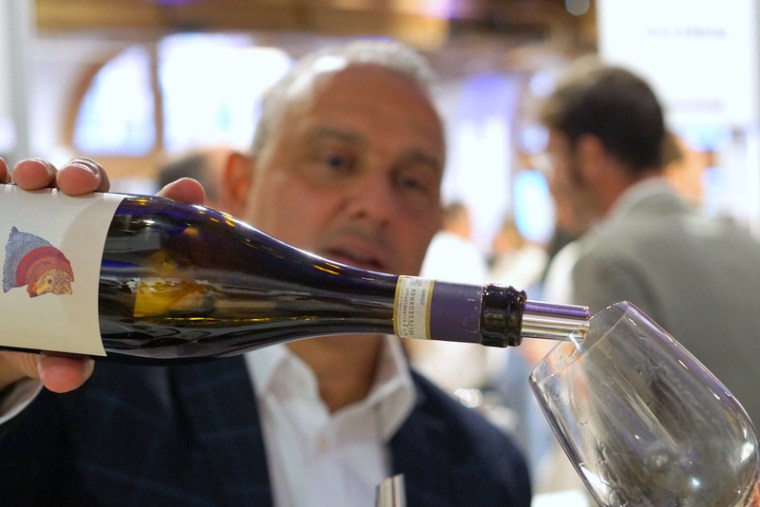
2019 Caprilli Brunello di Montalcino Riserva “AdAlberto”: Clear medium brick, stinky, smoky nose, tight with crisp acids and roast meat notes on the finish.

2020 Col D’orcia Brunello di Montalcino: Opaque dark red, brick rim, crushed black fruit and mint on the nose, juicy red fruit ending with firm tannins and crisp acids.

2019 Il Poggione Brunello di Montalcino Riserva “Vigna Paganelli”: Clear light brick, closed nose of warm fruit, tight with firm tannins.

2020 La Magia Brunello di Montalcino “Ciliegio”: Opaque medium brick, crushed black fruit and green stems on the nose, tight red fruit with silky, mouth coating tannins with bitter almond notes on the finish.

2020 San Polo Brunello di Montalcino: Clear medium brick, smoke, sweet tar and dirt notes on the nose, juicy red cherry fruit, nice acidity and tannins.

2020 Tenute Silvio Nardi Brunello di Montalcino “Vigneto Poggio Doria”: Clear medium brick, crushed black fruit and smoke on the nose, tight with mouth coating tannins.