Grenache Seminar At Spain’s Great Match NYC

I’m a big fan of Grenache based red wines, their bright red fruit notes are a nice change of pace from the usual Cabernet, Merlot, etc.

In Spain it’s called Garnacha and is one of the most widely planted grape varietals in the country. The grape also has a large presence in the Rhone and Languedoc regions of southern France as well as in Sardinia where it’s called Cannonau.

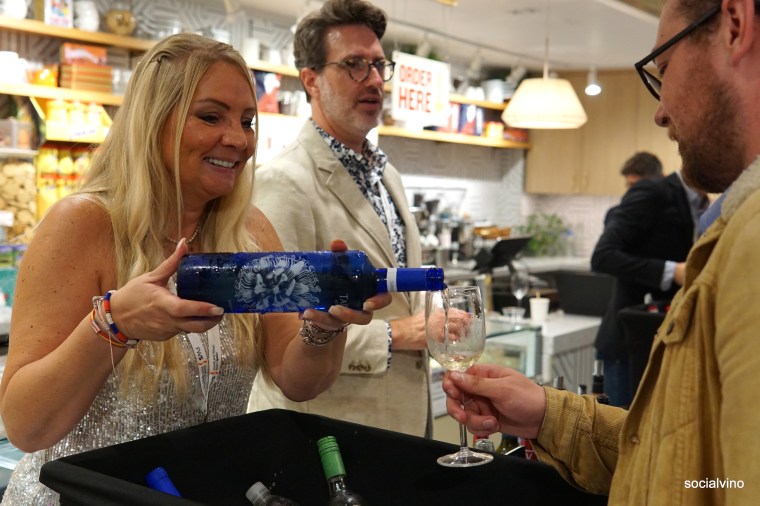
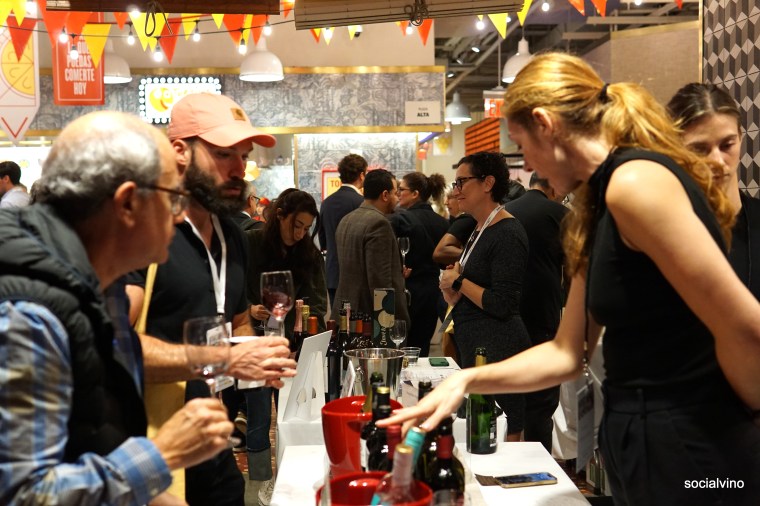
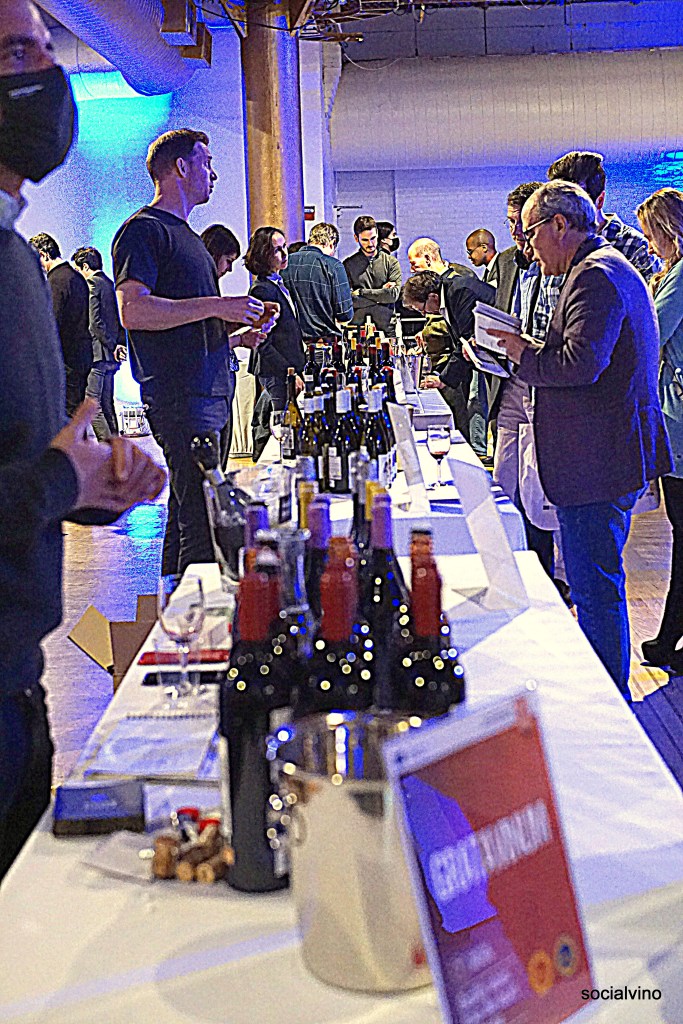
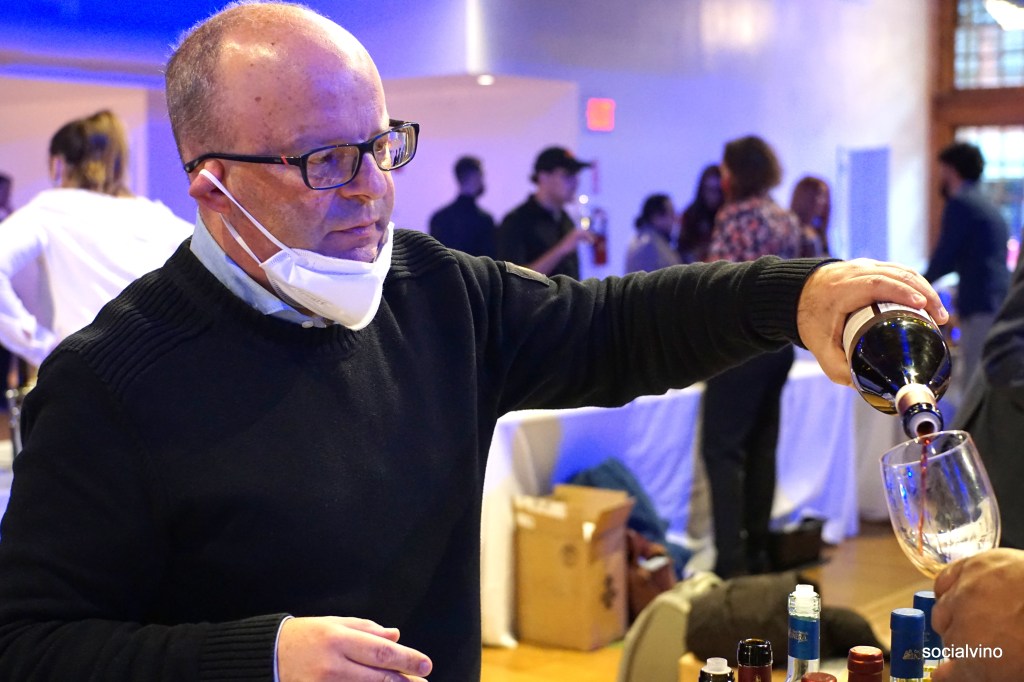
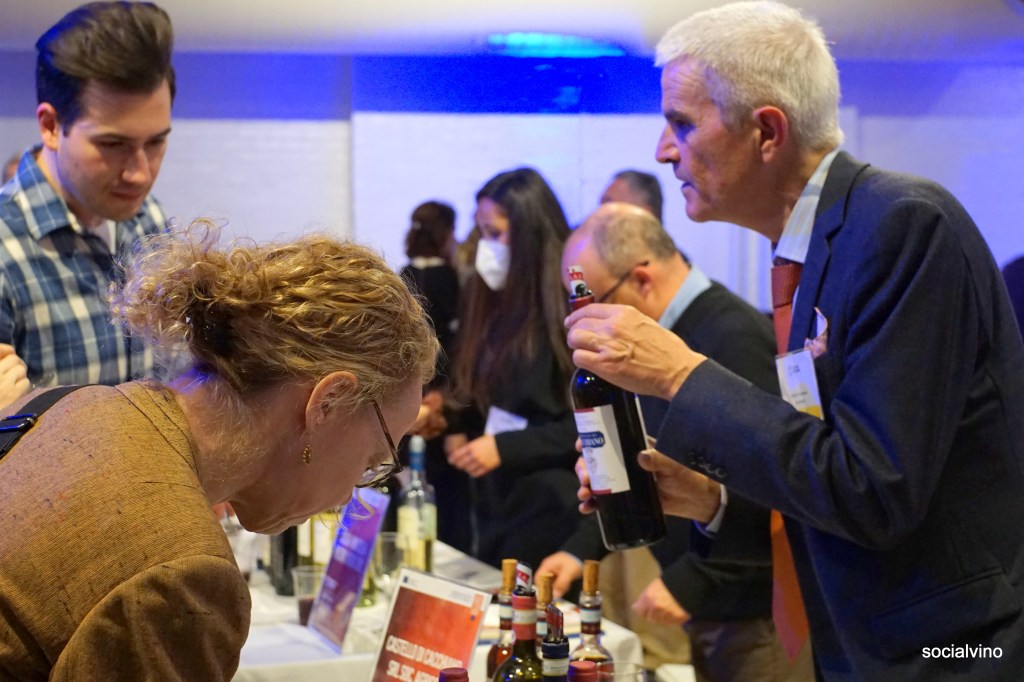
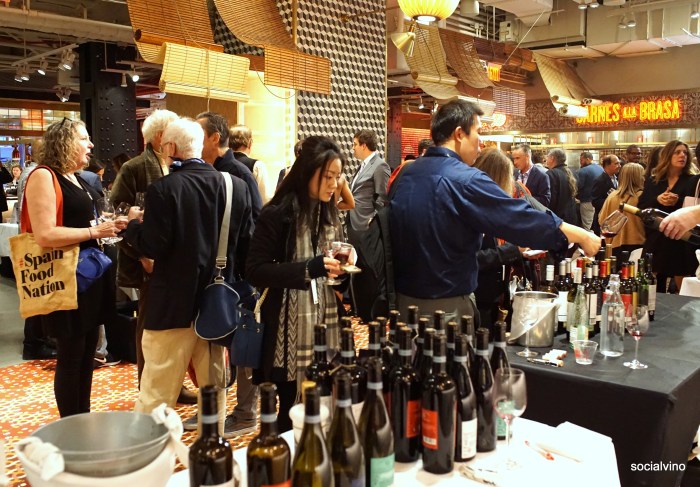
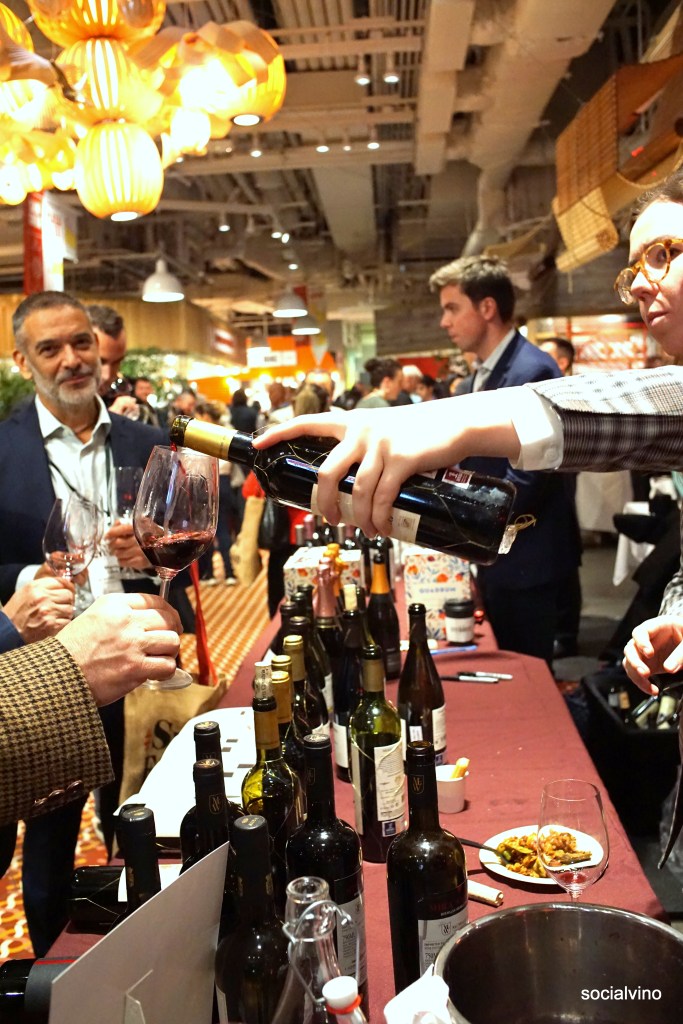
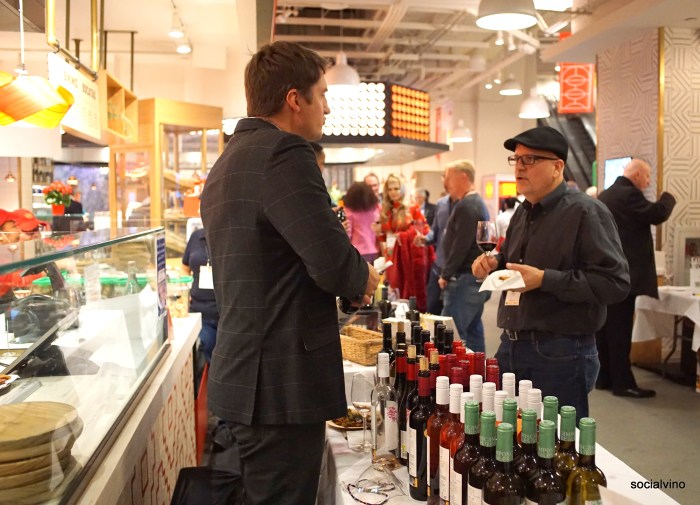
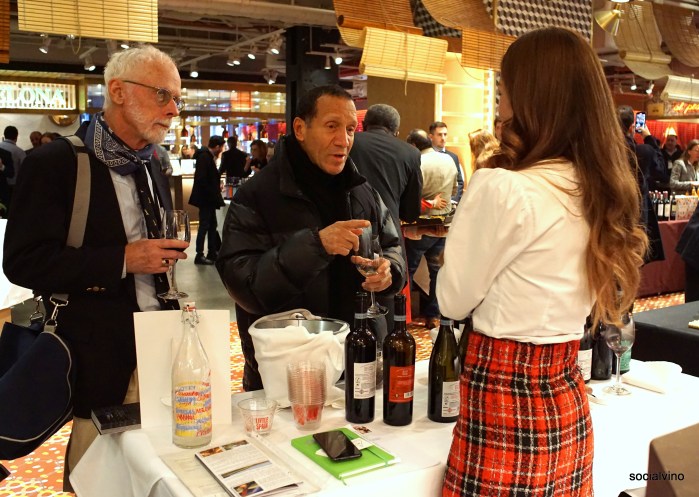
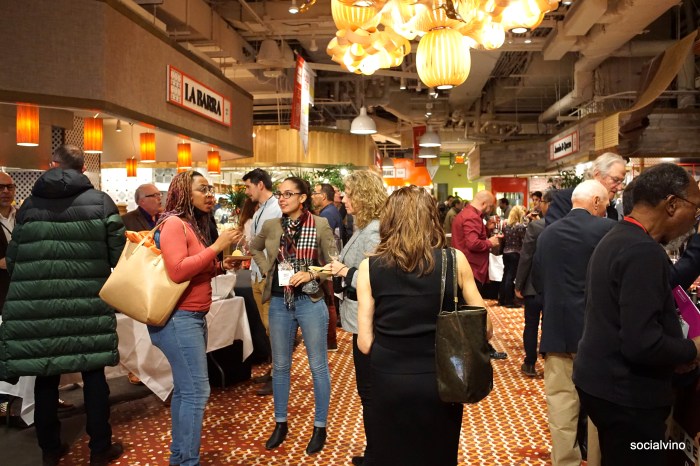
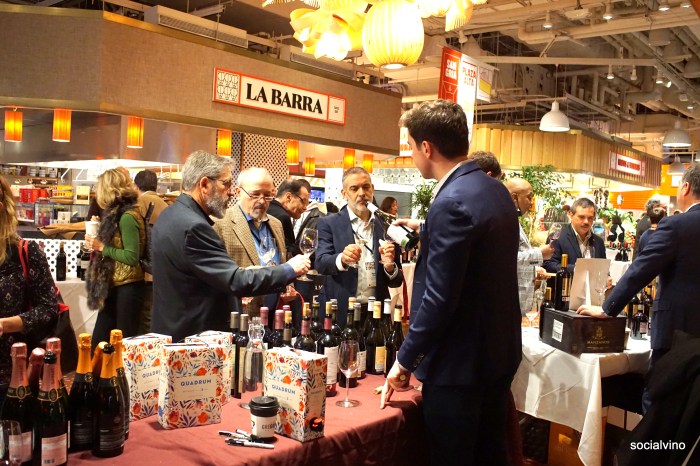
On September 30th. I attended Spain’s Great Match New York City. It was both a trade and consumer event and was a “celebration of Spanish wine, spirits and gastronomy” featuring Spanish companies and importers.

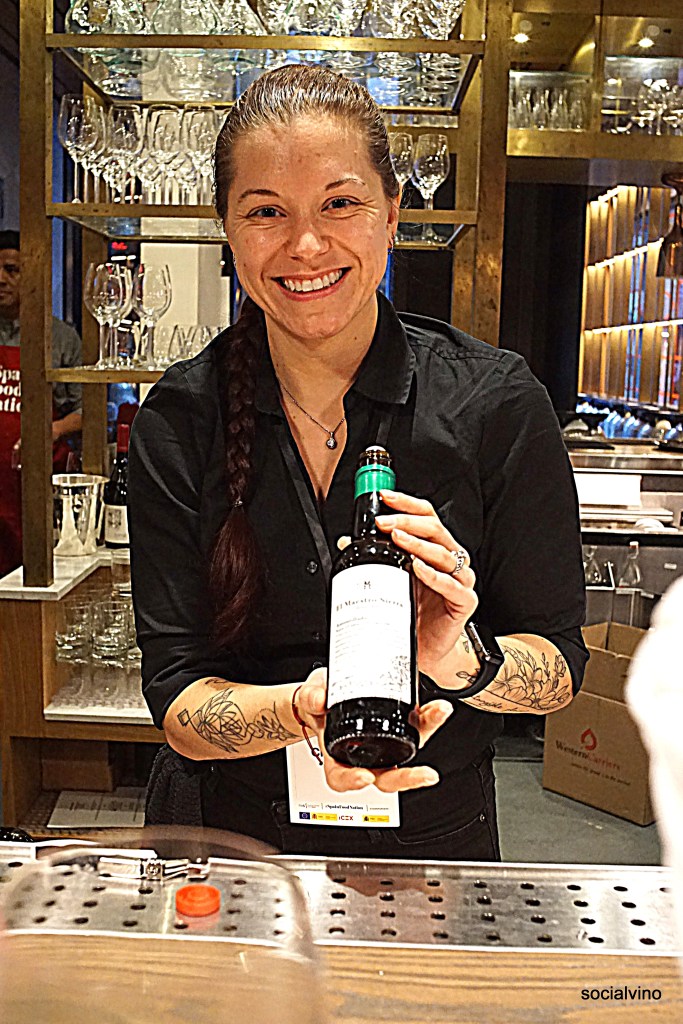
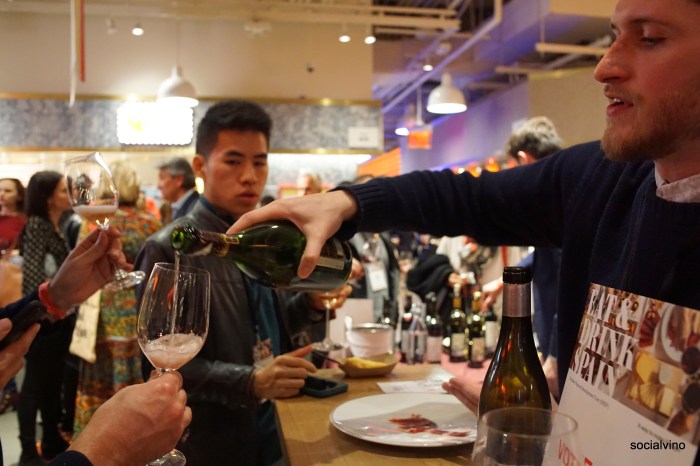
The event was held at Mercado Little Spain at 10 Hudson Yards on the west side of Manhattan. Mercado Little Spain is to Spanish food what Eataly is to Italian food, they are culinary theme parks with various restaurants showcasing the cuisine of those countries.

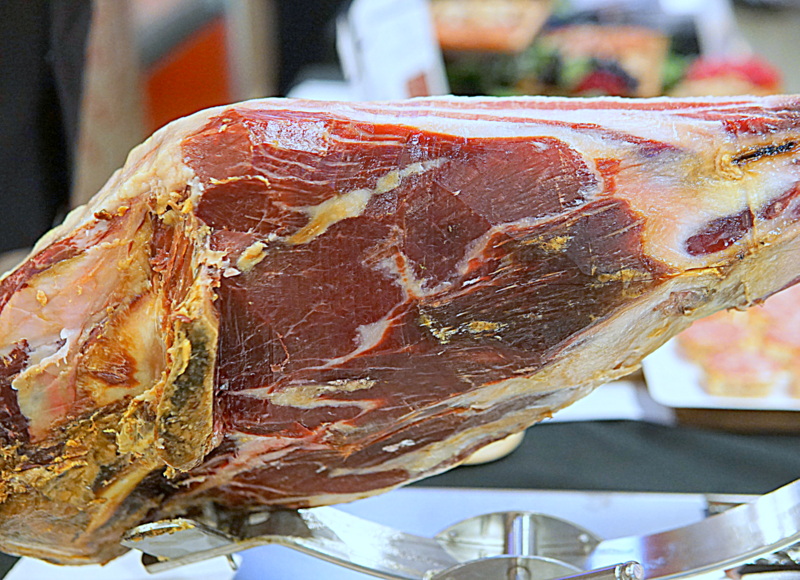
Spain has its own rich culinary tradition and Mercado served many of those foods as hors d’oeuvres for people attending the event. Foods such as paella, suckling pig, grilled octopus and churros to name a few. They also served Spanish jamon. With apologies to my Italian brethren, Spain makes some of the best cured hams in the world. It’s like natures candy and I made my presence known at the ham tables. Since I’m a fan of Grenache, I attended the seminar.

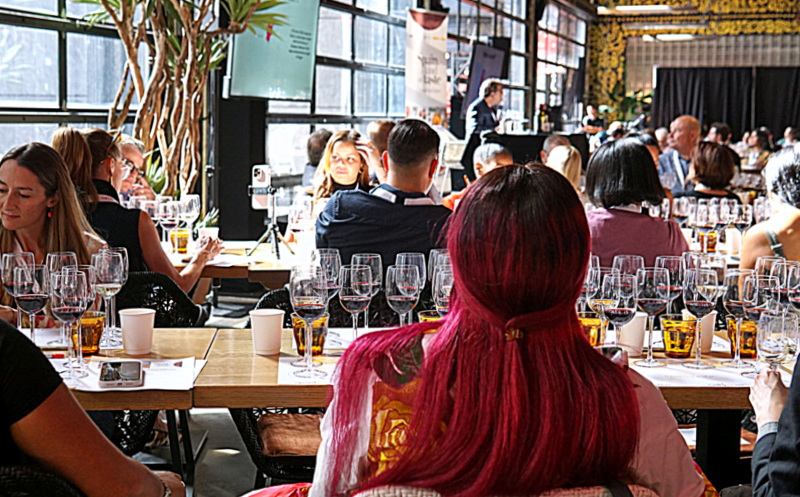
Seminar Presented by Evan Goldstein

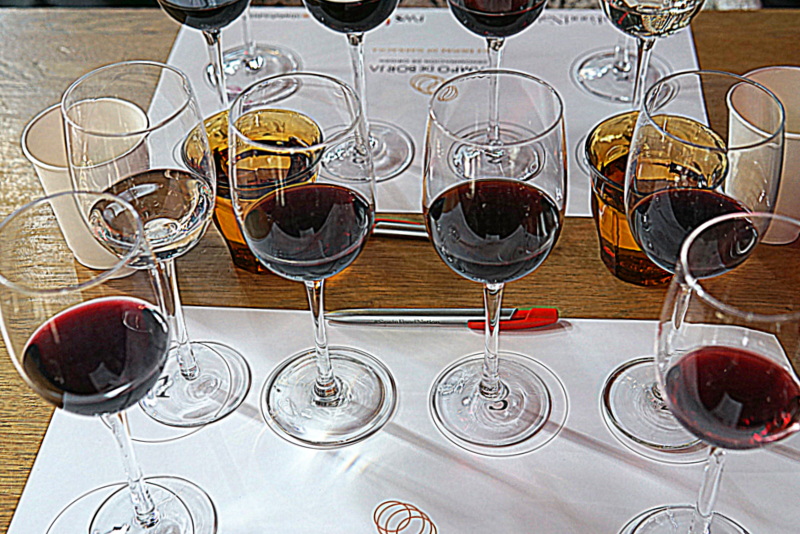
Campo de Borja The Empire of Garnacha

2024 Bodegas Ainzon Peñazuela Garnacha Blanca: Pale light yellow, white flowers on the nose with nice acidity.

2022 Bodegas Borsao Tres Picos: Opaque dark purple, closed nose of slate and white pepper, chewy, silky red fruit ending with crisp acidity.

2023 Bodegas Aragonesas Garnacha Centenaria: Opaque dark red, purple rim, closed nose of tar, tight and concentrated ending with silky, firm tannin.

2022 Bodegas Morca Morca: Opaque dark purple, crushed red fruit and pickle juice on the nose, chewy fruit with gun metal notes ending with firm tannin.

2021 Bodegas Alto Moncayo Veraton: Opaque black, purple rim, closed nose of white pepper and warm spice, chewy, black licorice fruit ending with lip smacking tannin.

2021 Vino dei Viento Ermita Santa Barbara: Opaque black, purple rim, perfume of sweet cigarette smoke and cooked fat with chewy black fruit and big tannin.
Sherry Tasting In Spain

Cruising out from Rome, we passed Gibraltar and headed north, stopping in the city of Cadiz in the Andalusia region of southwestern Spain.

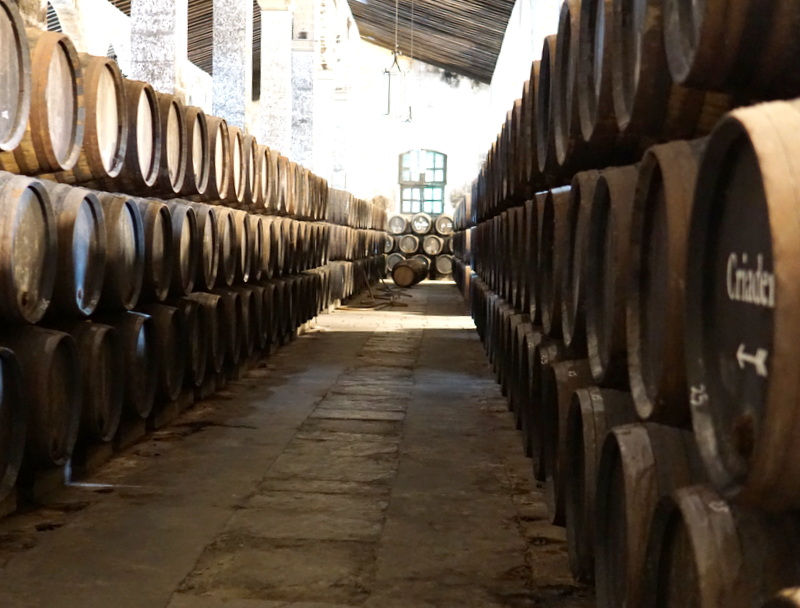
From the port in Cadiz I took a half hour ferry ride across the harbor to the town of El Puerto de Santa Maria. The town is part of the Sherry triangle and I visited a couple of sherry bodegas that were within walking distance of the ferry terminal.

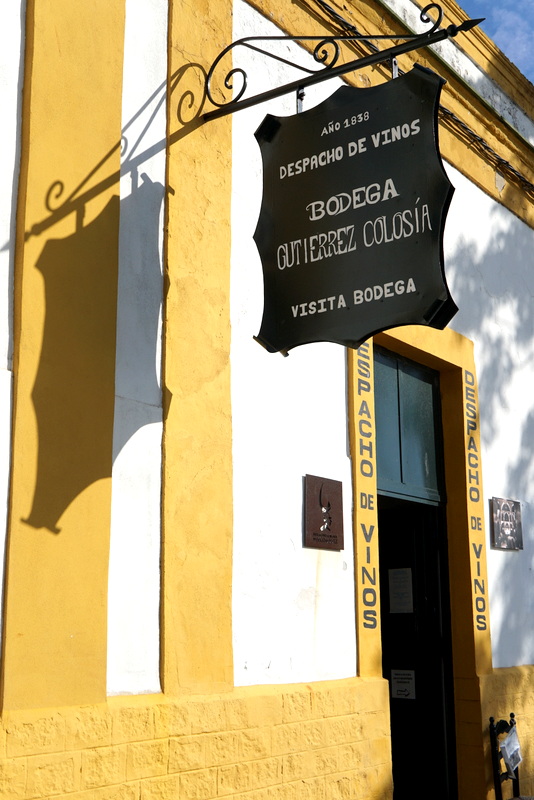
I visited two, Bodegas Guttierrez Colosia at Calle Bajamar, 40 and Osborne at Calle Los Moros, 7. One is a low key, mom and pop, no frills operation and the other is one of the most famous Sherry houses in Spain.

If you’ve ever done a wine trip to Sonoma and Napa wine country, in general there is a different vibe between both appellations. In Sonoma you can drive up to the winery and there’s a good chance you might see the owner driving a dusty tractor after a day in the fields, in Napa, you walk into a multi-million dollar tasting room that looks like an art museum.

Bodegas Colosia looked like what you would expect a no nonsense, working warehouse to look like while it’s obvious Osborne spent a lot more resources on their tasting room. They have a restaurant on premise as well.

Sherry is an underrated wine with a niche market. They range from the bone dry Fino to the thick and sweet Pedro Xemenez.

Problem is that in most liquor stores they will stock the inexpensive, mass-produced sherries. These wines really come into their own when you drink one from an artisanal producer.

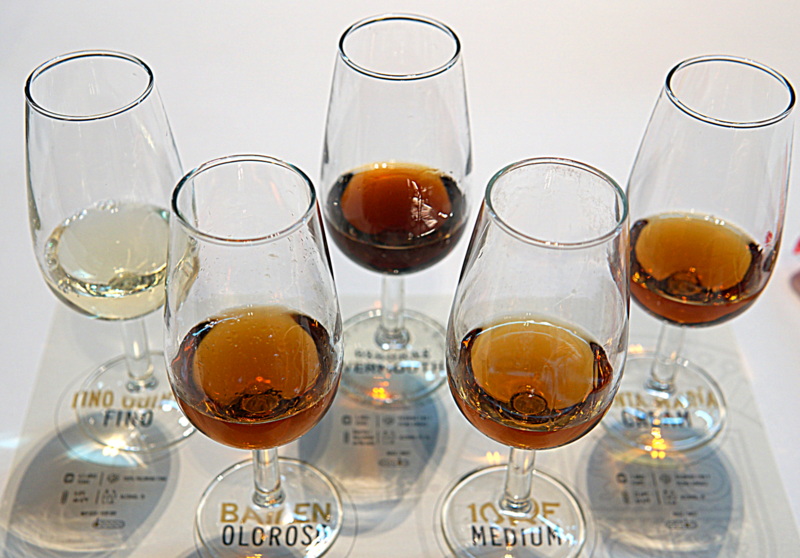
The Fino I sample here were much more rounder and easy drinking than the mass-produced ones I’ve tried in the past. What surprised me were the Olorosos, I had always though they were sweet but the couple that I sampled at the two bodegas were more off dry than sweet and much more drinkable than my experience with them in the past. The Cream sherries were created for the British market.

What I sampled:

Osborne

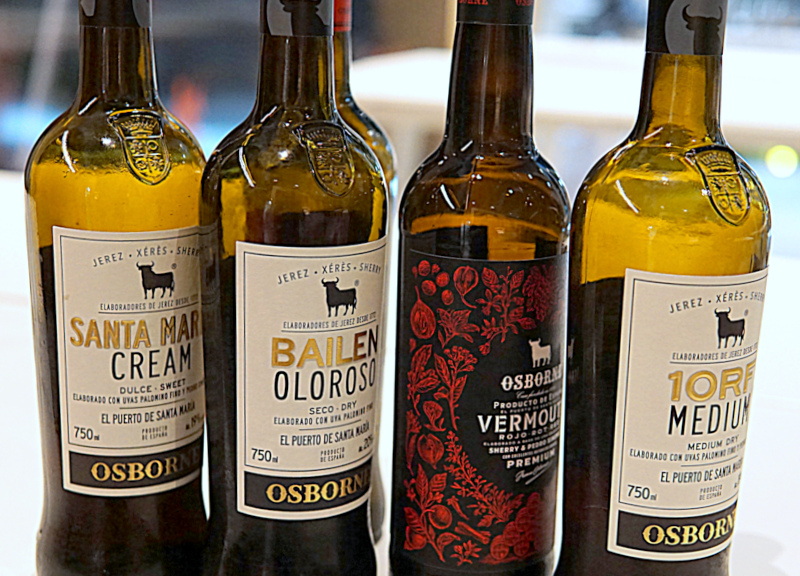
Fino Quinta Fino

La Honda Amontillado

10RF Medium

Bailen Oloroso

Santa Maria Cream

Osborne Vermouth

Bodegas Gutierrez Colosia

Fino

Amontillado

Oloroso

Cream Sherry

Moscatel Soleado

Pedro Ximenez

Spain’s Great Match NYC 2024

On October 1st, I attended the 30th Spain’s Great Match food and wine event in New York City.

The event which was hosted by the Trade Commision of Spain, showcased 300+ wines from Spain as well as culinary and wine seminars.

This was a huge event not only with the number of wines served from all the regions of the country but with the delicious foods of Spain that were served. Those foods included paella, grilled octopus, patatas bravas and Jamon to name a few. In my opinion, Spain produces some of the best cured hams in the world.

The event was held at Mercado Little Spain, a Spanish food hall located at 10 Hudson Yards in the Hudson Yards district of Manhattan.

I attended the trade event in the afternoon with the consumer tasting later in the evening.

One thing that frustrates me is the trend to use an QR code to access the listing of the wines that are being presented instead of physical book. It makes it very difficult to take notes especially at a tasting with so many wines.

Comparing Italy & Spain

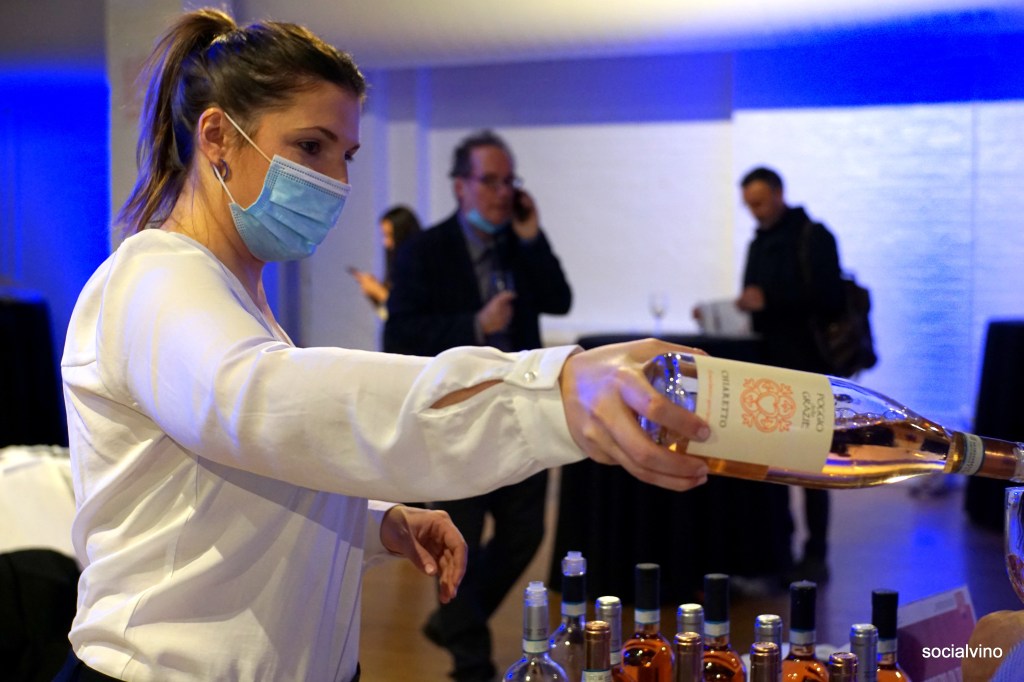
On December 5th, I attended the “Taste the Difference; Quality Wines From The Heart of Europe” wine event.

It was a tasting for members of the Trade that showcased wines from two of the classic wine producing countries of the world, Italy and Spain.

What is interesting about these two wine producing countries is while they grow the classic French varietals such as Cabernet Sauvignon, Merlot, etc. they also grow unique varietals that seen to flourish in those two countries such as Sangiovese and Nebbiolo in Italy and Tempranillo and Macabeu in Spain to name just a couple from each country.

The tasting was held at the Altman Building, an event space located at 135 West 18th Street in Manhattan.

It was an interesting tasting and I was able to sample wines from many of the wine districts in each country. I was also able to sample a couple of obscure wine varietals from Italy, Enantio and Albarossa for the first time.

A few that I sampled:

Italy

2015 Tenuta Greppone Mazzi Brunello di Montalcino (Tuscany): Clear medium brick, tar and red leather on the nose, silky red fruit with firm citrus notes on the finish.

2015 Castello di Cacchiano Chianti Classico Riserva (Tuscany): 95% Sangiovese. Dark red with a perfume of tar and roast meat, chewy black fruit with a nice grip on the balanced finish.

2015 Castello di Cacchiano Chianti Classico Gran Selezione “Millenio” (Tuscany): Clear dark red, tar and camphor on the nose, tight, silky fruit ending with smoky tannins.

2016 Ruffino “Alauda” (Tuscany): 47% Cabernet Franc, 43% Merlot, 10% Colorino. Dark red to black, slate and bacon fat on the nose, bright red fruit, nicely balances with a moderate to long finish.

2017 Goretti “L’Arringtore” (Colli Perugini): 60% Sangiovese, 30% Merlot, 10% Ciliegiolo. Cloudy dark red, smoke and earth on the nose, chewy and smoky fruit, tart.

2018 Societa Agricola Roeno “Enantio” (Veneto): Made from the obscure Enantio varietal, opaque dark red to black, smoke, mint and toast on the nose, chewy, chunky and juicy bitter black cherry fruit with a nice grip at the end.

2018 Dezzani “Albarossa” (Piedmont): Obscure Albarossa varietal. Opaque dark red, roast meat and crushed rocks on the nose, juicy dark fruit with a bright citrus finish.

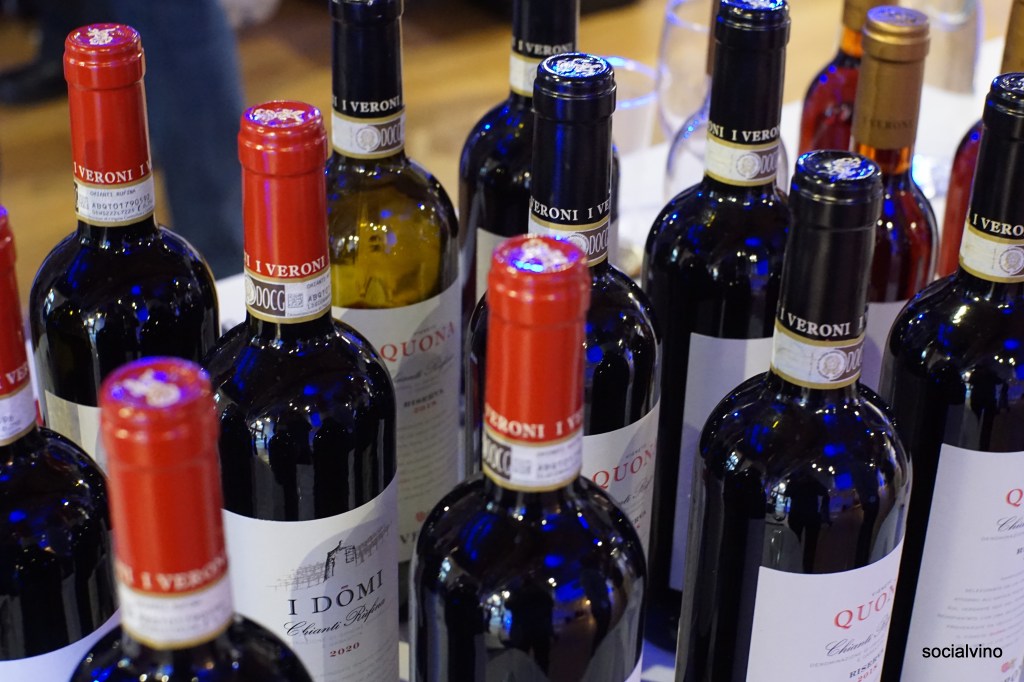
2018 Societa Agricola i Veroni Chianti Rufina Riserva (Tuscany): 100% Sangiovese. Dark purple with a brick rim, earthy notes of crushed red berries, sweet red fruit with bitter cherry notes on the finish with firm tannins.

Spain

2015 Celler Laurona “Pythagora” (Montsant): 100% Garnatxa Negra. Cloudy mediium red, crushed ripe black fruit on the nose with chewy very ripe fruit.

2018 Herencia Altes “La Pilosa” (Terra Alta): 100% Peluda Grenache. Clear medium red, crushed red fruit on the nose with some earth notes, juicy tart red fruit.

2018 Terra Remota “Camino” (Emporda): Red Blend. Black in color, closed nose with some crushed rock notes, thick and chewy with gun metal notes on the fruit, firm grip at the finish.

2019 Castell del Remel “Gotim Bru” (Costers del Segre): 35% Grenache, 35% Temprinillo, 15% Syrah, 15% Cabernet Sauvignon. Clear medium red, roast meat and crushed red fruit on the nose with chewy bright red fruit with firm acids.

2019 Clos Pachem “Pachem” (Priorat): 100% Grenache. Clear mediuim red, very closed nose, juicy red fruit with nice acidity.

2020 La Nit de les Garnatxes “Slate” (Montsant): 100% Grenache. Clear medium red, green herbs on the nose, juicy red fruit with crushed rock notes on the firm finish with moderate acidity.

2020 La Nit de les Garnatxes “Limestone” (Montsant): 100% Grenache. Light purple in color with crushed red fruit and green herbs on the nose, juicy, tart.

Spain’s Great Match New York 2021

On November 15th I attended the 27th annual Spain’s Great Match, a food & wine event in which importers and distributors showcased the new vintages in their portfolios to members of the trade and to consumers. Over 300 wines were available to sample.

The event was held at Mercado Little Spain at 10 Hudson Yards. Mercado is essentially the Spanish version of Eataly, a food and wine theme park. It was opened by Chef José Andrés and the Adrian Brothers to showcase “the best of Spanish food, drink and culture”.

Spain is one of the world’s leading producers of wine and some of their top wine regions include Rioja, Ribera del Duero, Rias Baixas, Penedes and Jerez.

There were two sessions, an afternoon session for the trade and an evening session for consumers. I attended the trade session in the afternoon. As usual there were more wines available than I could have sampled in one afternoon, so I decided to focus my attention on one region and type of wine. At this event that focus was on the Reserva and Gran Reserva wines from Rioja. Those wines are primarily made from the Tempranillo grape and the Reserva must be age for three years with at least one year in oak and the Gran Reserva for five years with at least two in oak before release. I would have liked to sample wines from the other regions but perhaps another time.

It was an afternoon of good wine and plenty of tasty tapas (especially the ham).

Some of what I sampled:

2005 Martinez Lacuesta Campeador Gran Reserva (Rioja): Dark brick in color, silky fruit with a nice balance.

2008 Bodegas Frontaura Reserva (Toro): Opaque dark brick, mint and tar on the nose, dusty and tight with firm tannins.

2009 Manzanos Reserva (Rioja): Opaque dark red, black pepper, mint and crushed red fruit on the nose with chewy, dusty and silky fruit with a good grip and some heat at the end.

2010 Felix Martinez Lacuesta Gran Reserva (Rioja): Dark red with a brick rim, bright red fruit with a bitter, chewy finish.

2010 Bodegas Añaras Gran Reserva (Rioja): Opaque dark red with a brick rim, crushed rocks on the nose, tight and silky with earth notes on the fruit followed with crisp acids.

2011 Cerro Añon Gran Reserva (Rioja): Dark brick in color, black leather on the nose with chewy bright red fruit.

2012 Marquis de Caceres Gran Reserva (Rioja): Dark brick, perfume of red flowers, crushed red fruit with tight, bright red fruit on the finish.

2014 Muga Prado Enea Gran Reserva (Rioja): Black in color, slate notes on the nose with chewy dark chocolate fruit and a nice grip at the end.

2015 Lopez E Haro Reserva (Rioja): Medium brick with a spicy nose and silky red fruit.

2015 Bodegas Añaras Reserva (Rioja): Medium brick with crushed rocks on the nose, tight red fruit and nicely balanced.

2015 Vina Pomal Reserva (Rioja): Dark brick, red leather and tar on the nose, chewy, dusty fruit, nice grip with some citrusy acids on the finish.

2015 Vina Lanciano Reserva (Rioja): Dark red with a purple rim, camphor and crushed black fruit on the nose, dusty and tight with slate notes on the firm finish.

2015 Culmen Reserva (Rioja): Black with a purple rim, crushed ripe black fruit and mint on the nose, juicy, chewy and silky minerally fruit ending with a long finish.

2015 Bodegas Ugalde “Ugalde” Reserva (Rioja): Dark red with a brick rim, black pepper and crushed plum on the nose, nice silky fruit with mint notes on the firm finish.

2015 Bodegas LLeiroso Reserva (Ribero del Duero): Dark red, crushed black fruit and slate on the nose, chewy, dark chocolate fruit with bitter almonds on the finish, nice balance.

2016 Baron De Lay Reserva (Rioja): Dark red, tar and crushed black fruit on the nose, bright, silky black fruit, firm finish.

2017 Cerro Añon Reserva (Rioja): Opaque medium brick, tar and mint on the nose, chewy tarry fruit with a nice balance.

2017 Sierra Cantabria Gran Reserva (Rioja): Dark red with floral and tobacco notes on the nose, silky dark fruit with good acidity on the finish.

2017 Torres Gran Coronas Reserva Cabernet Sauvignon (Penedes): Dark red with tar and leather on the nose, juicy red fruit with a mouthwatering tannic finish.

Cava Tasting


This slideshow requires JavaScript.


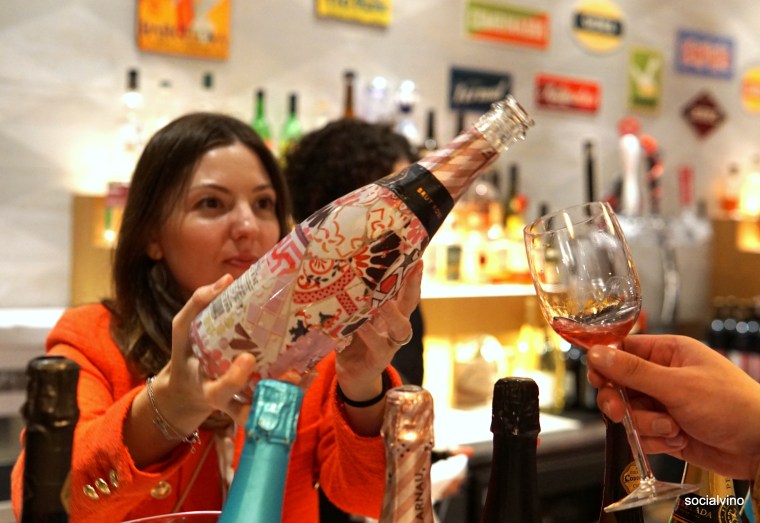
I was able to squeeze in this tasting the night before the lockdown on March 15th and it was held at Corkbuzz wine bar and restaurant at 13 East 13th Street, just south of Union Square Park in Manhattan.

Cava is a sparking wine produced in Spain. It comes from the Penedès wine region in Catalonia and is not far from the city of Barcelona.

To be called Cava, the wine  must be made using the methode champenoise. The traditional grape varietals used in making Cava are the indigenous Xarel-lo, Macabeo and Parellada varietals with the non native varietals of Chardonnay and Pinot Noir now used as well.

It might be heresy for me to say, but if I’m looking for a budget sparkler I much rather have a glass of Cava than a glass of Prosecco.


NV Barcino Brut “Belle Epoque”

(50% Macabeo, 30% Xarel-lo, 20% Parellada)


NV Casas del Mar Brut Blanc de Blanc

(40% Xarel-lo, 30% Macabeo, 30% Parellada)


2016 Juvé & Camps Brut “Essential Reserva”

(100% Xarel-lo)


2018 Naveran Brut “Dama”

(85% Chardonnay, 15% Parellada)


2017 Alta Alella Mirgin Reserva Brut Nature

(40% Pansa Bianca, 30% Parellada, 30% Macabeu)


2013 Agusti Torelló Mata Gran Reserva Brut Nature

(38% Macabeo, 34% Parellada, 28% Xarel-lo)


NV Eudald Massana Noya Reserva Brut Nature

(Macabeu, Xarel-lo, Parellada, Chardonnay)


NV Josep Foraster Rosat Reserva

(100% Trepat)


NV Conquilla Brut Rosé

(100% Pinot Noir)


NV Pere Mata Rosé Brut Nature “Cupada”

(70% Garnatxa, 30% Parellada)


NV Dibon Brut Rosé

(100% Garnacha)


2016 Muga Reserva Rioja


This is my first Spanish red wine of the “lockdown” season and after a string of mediocre red wines, it was nice to finally drink something interesting.

The wine is from Rioja and is a reserva. The aging requirements for a Reserva from this vintage (which have since been modified) dictate three years of aging, two years in bottle and one year in oak before release.  This wine was aged for two years in oak casks before release.

70% Tempranillo, 20% Garnacha, 10% Mazuelo


2016 Muga Reserva Rioja:  Opaque dark red in color, pretty perfume of roast meat, roasted nuts, and raspberry filled dark chocolate, chewy, dusty fruit with silky, crunchy tannins on the finish. Some heat on the back end.